For the last couple of years, I’ve invited educators
to share reflections of their students’ experiences during the Sibert Smackdown.
After all, teachers and librarians loved hearing directly from their
colleagues.
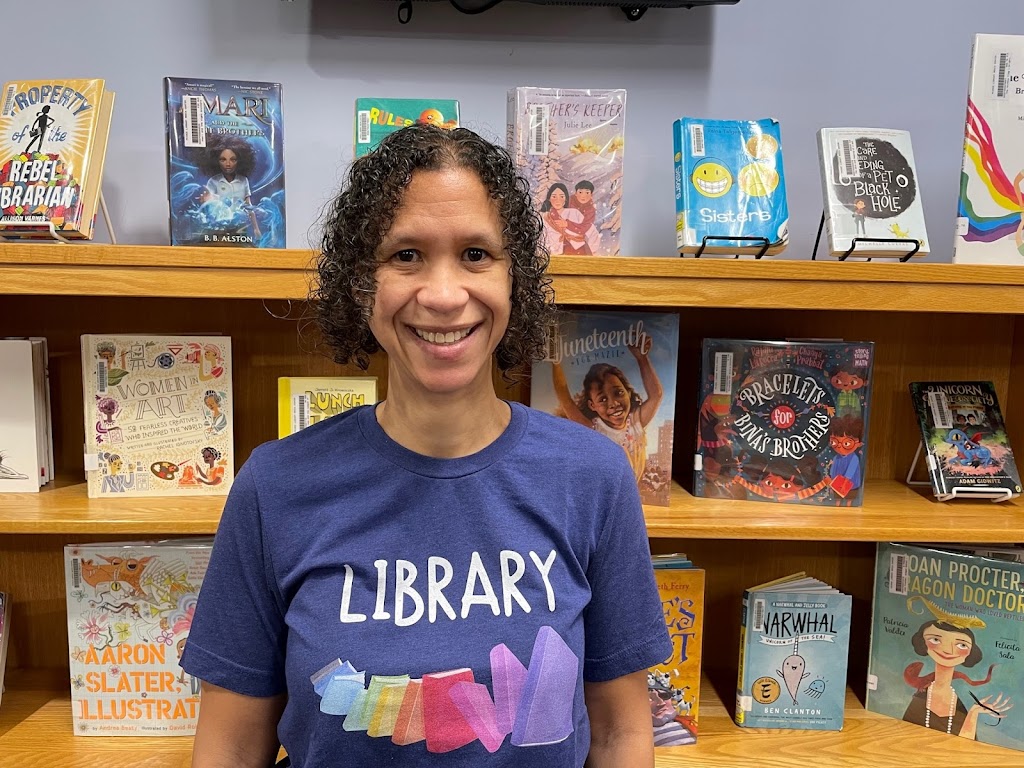
Today’s post comes
from school librarian Renae
Nichols.
Thanks so much for sharing Renae!
I first heard about the Sibert
Smackdown 2 years ago, but this was the year I finally felt ready to jump in.
Having run a Mock Caldecott project in my elementary school library since 2019,
I wondered if my 4th and 5th graders might be ready for something new.
Melissa Stewart’s website was a great
starting point. I liked the idea of students comparing two books and selecting
a winner, but I wondered if two books would be enough. And could I get a few
more nonfiction skills squeezed into this project?
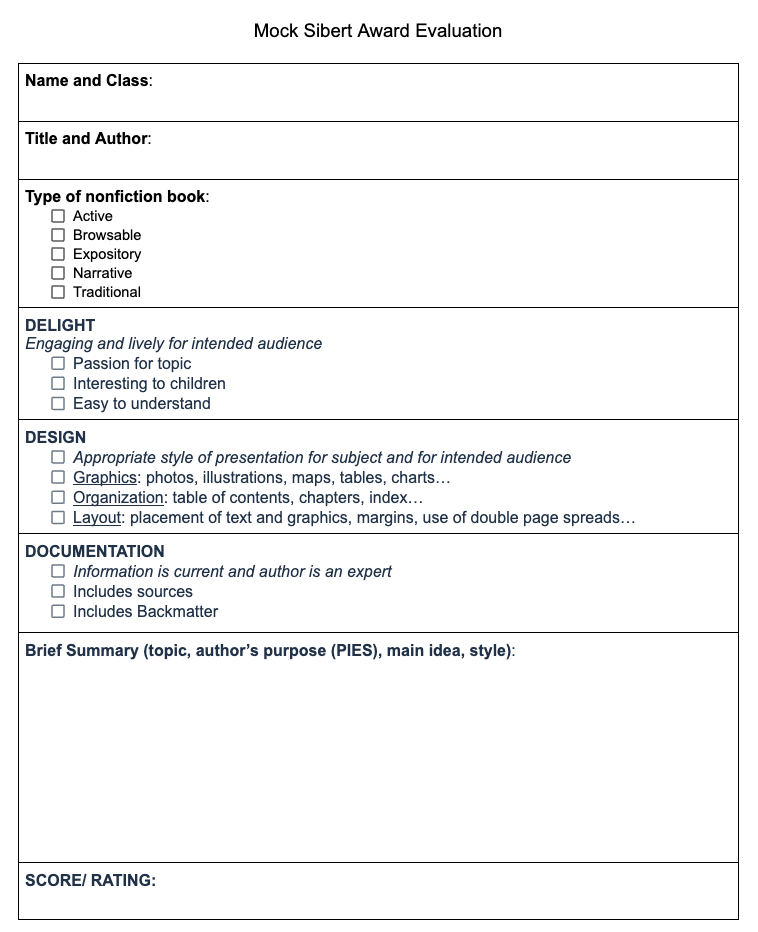
After looking at some great online
resources (worksheets here and here, a slideshow, and book lists here and here), I worked with a colleague and
ended up with this organizer:
The week after Thanksgiving, I gave an
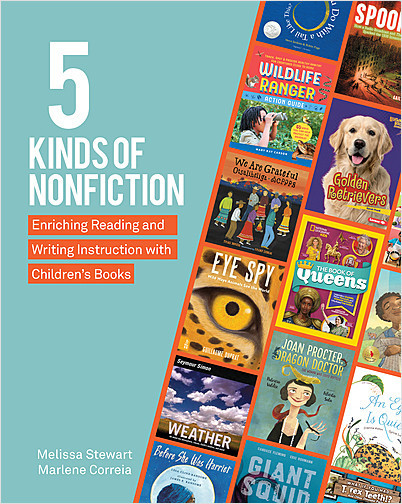
overview of the award and project. Then I introduced the 5
Kinds of Nonfiction and showed examples of each kind using books from our
library. I also made book bins with previous Sibert winners for students to browse
and check out.
In Weeks 2 through 4, I presented
six books and let the students vote on which one to read as a class.
During Week 2, I read one book and
modeled how to complete the organizer.
In Week 3, I read another book and
completed the organizer as students gave input about the information they
believed it should include.
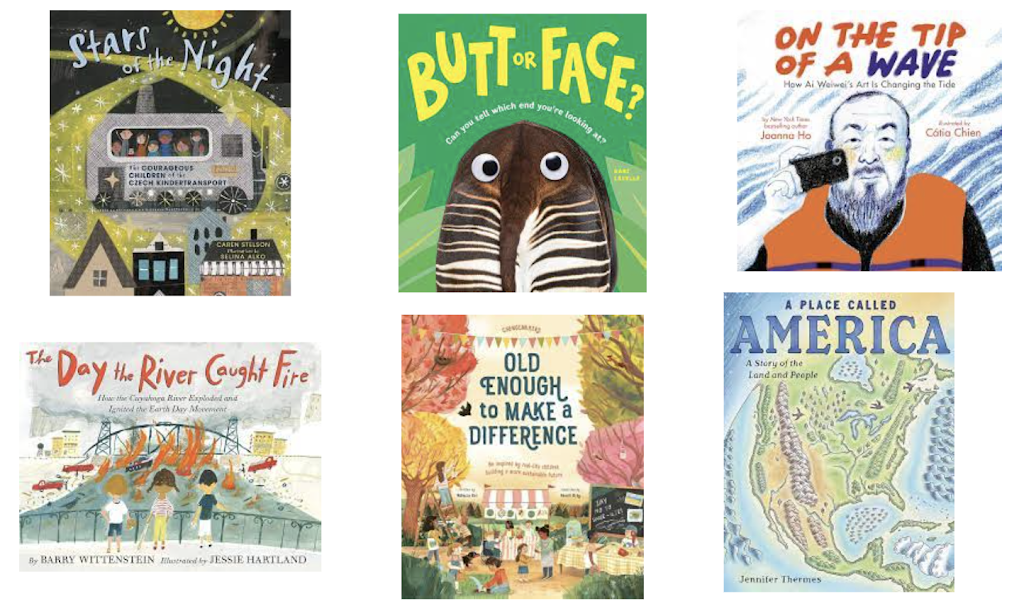
In Week 4, I read a third book and
students worked in pairs or trios to complete the organizer on their own. It
felt like students had caught on to the idea, so in Week 5, I let students
select a book from the remaining three plus many, many more to read and
evaluate independently.
One week was not enough time for students to complete their independent
evaluations, so Week 6 was used to complete that work.
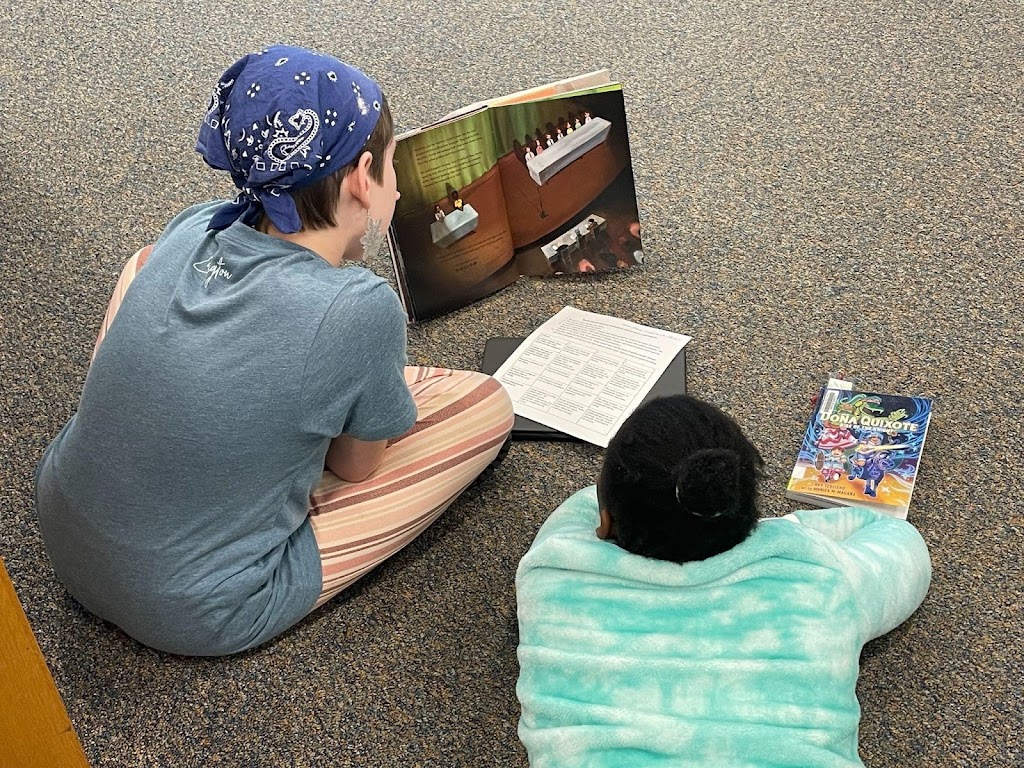
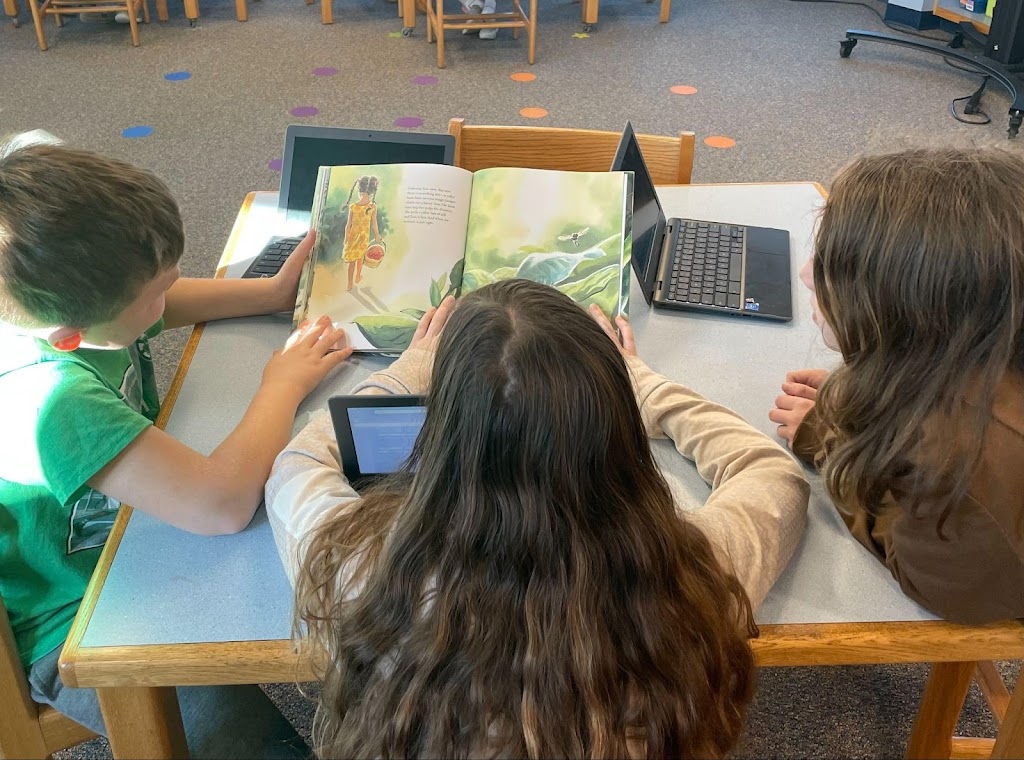
With 2 weeks remaining until Awards
Day, I could have pushed them to review another book or create and share
presentations about the book they’d evaluated. But I decided it was more
important for them to have some exposure to as many books as possible. So we
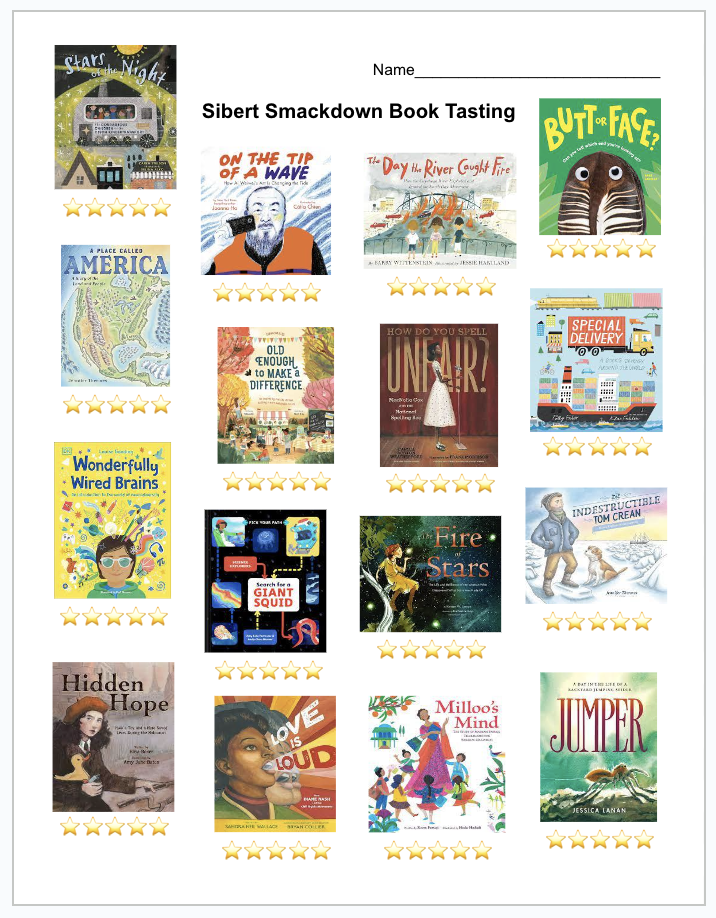
ditched the organizer, replaced it with a star review sheet, and did book
tasting on high speed—24 books in 24 minutes! The only guidance I gave was that
a book that didn’t include sources and/or backmatter should not be allowed a
5-star review, and students agreed.
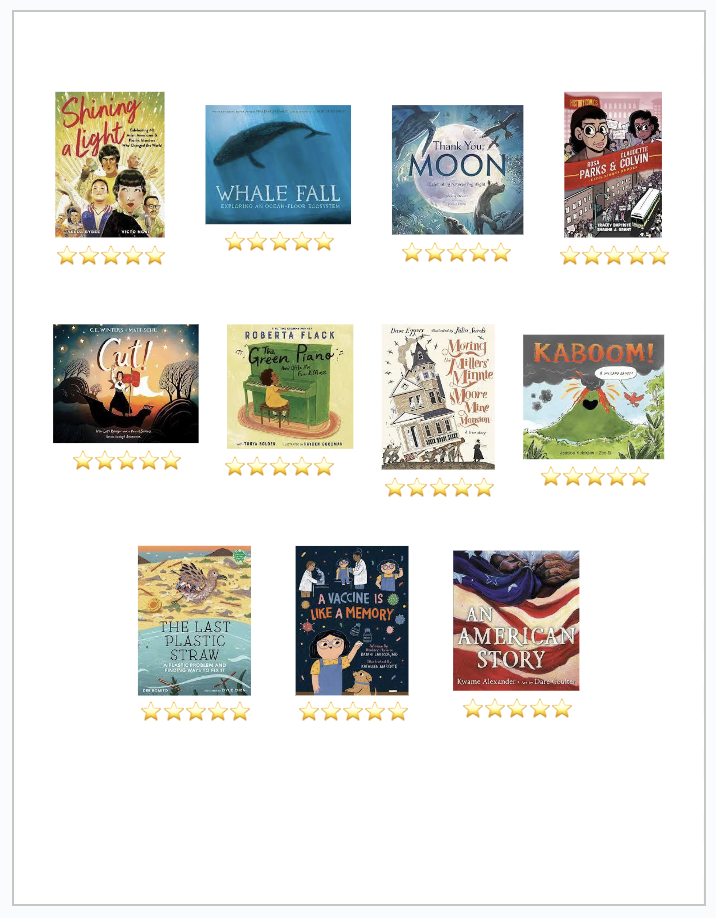
Was I nuts? Maybe. But as students
quickly turned pages, looking for elements of Delight, Design, and
Documentation, their comments were all I needed to let me know they’d absorbed
the big ideas.
Ooh!
This one looks so interesting! And look at all this backmatter.
This
one looks boring. Wait, no. This part’s cool. And look at all these sources!
This
one is amazing, but no sources. No sources? This one is out.
At the end of the book tasting, students
looked at their star review sheet to inform them how to vote. On a Google Form,
they answered three questions:
1) Which book do you think the Sibert Committee members will pick to win the
award?
2) Which book do you think will be the winner of our school’s Mock Sibert
Award?
3) Which book is your favorite?
When answering question one, they needed to consider the official judging
criteria. When answering questions two and three, they only needed to think
about student enjoyment and engagement.
With so many books in the running, no
book received a majority. However, students predicted A Place Called
America, Whale Fall, and Old Enough to Make A Difference might win a
Sibert Award or Honor.
The predicted school favorite was Butt
or Face?, which did turn out to be the top vote getter. The next highest
vote counts went to The Day the River Caught Fire and Search for a
Giant Squid. We decided to make those our Honor books.
As the project came to a close, and I
looked at all my students had done, I realized what a tremendous thing I had
asked of them. But the feedback from students was overwhelmingly positive.
This
project was hard but also so fun!
I
loved working with a partner and getting to choose the book we would read.
I
like looking at wonderful books by good authors that I otherwise never would
have picked up.
Next
year I hope we look at even more books!
Renae Nichols is a library teacher at
Peirce Elementary School in Arlington, MA. Her younger self would be surprised
to know that she became a school librarian, because she wasn’t at all
interested in reading for most of her childhood. Renae knows that learning to
read and enjoy books takes time for some readers and works hard to create an
inclusive library in which every student can find something they’ll enjoy. She
nudges students to read beyond their comfort zones, and is working on this
herself. Though she gravitates toward narrative nonfiction, she’s recently
become very fond of expository literature.