Not long ago, my friend Susan Edwards Richmond,
who is a children’s book author and preschool teacher at wildlife sanctuary in
eastern Massachusetts, told me about some great book-based lessons educators
created during a presentation she gave at a statewide meeting for Mass Audubon.
I asked her to share some of their ideas here, and I’m so grateful that she
agreed. Thank you, Susan!
As a children’s book author, I’ve spent
countless hours developing teaching guides and presentations that highlight the
STEM content of books I’ve written. And it’s been a pleasure to share some of these
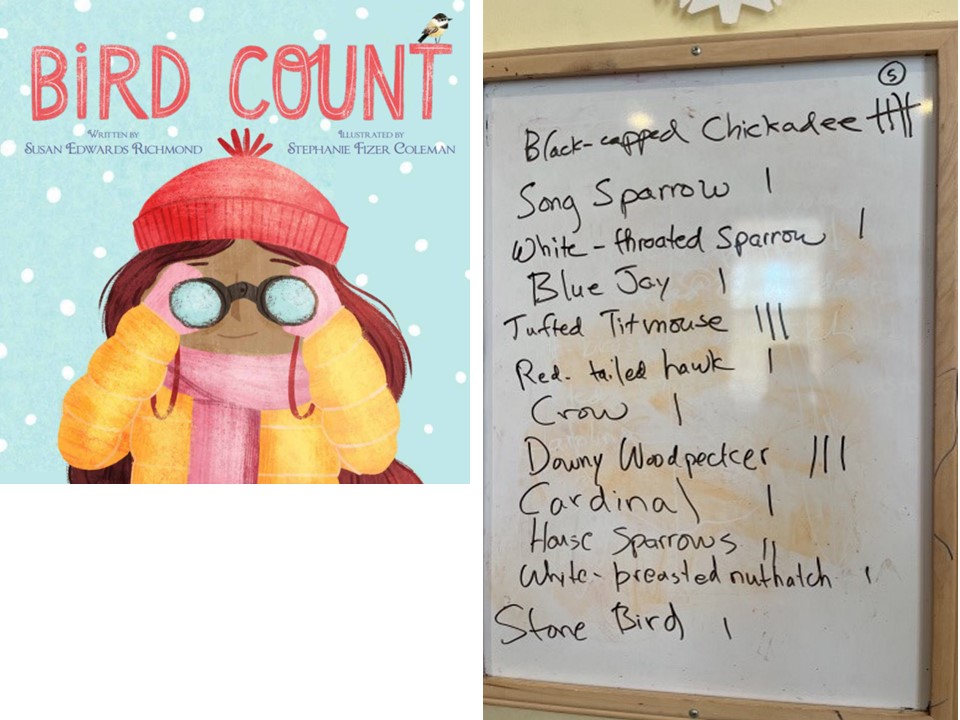
learning experiences with my own students. For example, in February, after
reading Bird Count, illustrated by Stephanie Fizer Coleman, my colleagues and I
launched a unit on wintering animals and tallied the birds that visited our
window feeder. Then we uploaded the data to eBird for the Great Backyard Bird
Count.
As I prepared my presentation for the statewide
meeting, I realized that, even though children’s books have always been integral
to the way we teach nature-based lessons, they often play a supplemental role
in our teaching. For this presentation, I wanted to encourage teachers to
center the books by making finely-crafted fiction, nonfiction, and
informational fiction titles the heart of their lessons. I wanted to show them
that a picture book can be its own intriguing provocation for learning!
As an example, my co-teacher and I were recently
mulling over how to kick off our curriculum around signs of spring. We were
feeling a bit uninspired until I remembered a book I had just picked up after
hearing Kate Narita interview its author on her podcast Chalk & Ink.
In Night
Song, written by Mk Smith Despres and illustrated by Micha Archer, a
frog at first envies the birds their morning song, but eventually learns the
music of frogs, crickets, and other night creatures is just as important.
Suddenly, we had a whole new approach!
After reading the story, we played recordings
of frog calls and invited the children to imitate them. From there, we created a
spring scavenger hunt, and set out to explore the sanctuary’s ponds to listen
as well as look for signs of spring.
Moving forward, we could expand our
investigation to the water cycle and life cycles of the ponds’ inhabitants,
allowing us to share related books, such as A Place for Birds and A
Place for Frogs, written by Melissa Stewart and illustrated by Higgins
Bond, or delve into poetry with Leslie Bulion’s Amphibian Acrobats,
illustrated by Robert Maganck.
With the inspiration of a single book, we built
a road map for weeks of curriculum, complete with science, literacy, music,
social-emotional awareness, and even a touch of activism in preparation for
Earth Day.
This was precisely the message I wanted to convey
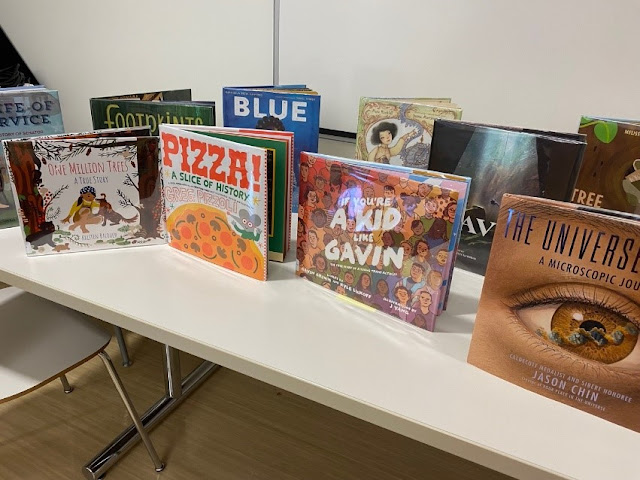
to my colleagues. So at the meeting, after my brief talk, I set out a couple
dozen of my favorite STEAM picture books.
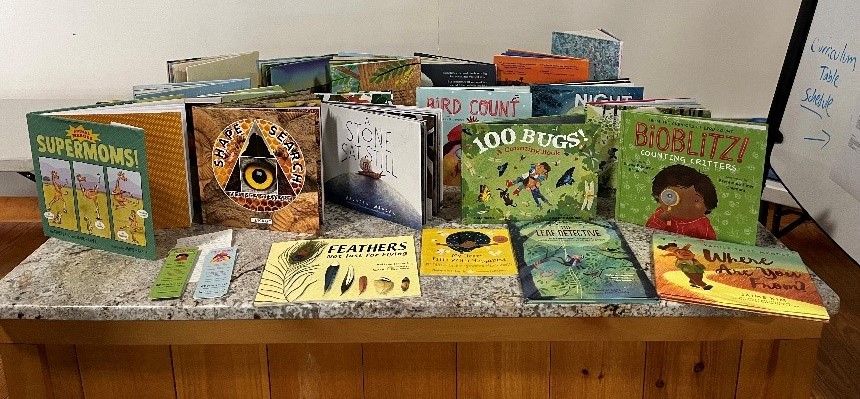
Then I invited my fellow teachers to pair up
with someone they’d never worked with before, choose a book, and develop a
curriculum strand from their selection. As they chose their titles, many
participants took out their phones to snap pictures of the entire collection
for future reference.
Here are just a few of the ideas these books inspired:
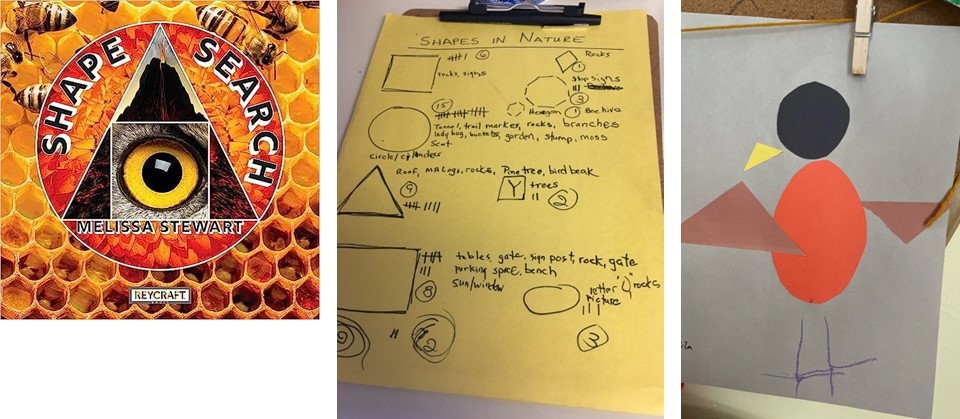
One group suggested reviewing common shapes after a
read-aloud (literacy) of Shape Search by Melissa Stewart, and
then creating a shape scavenger hunt (math: geometry). Next, the class could tally shapes found on a nature walk
(math: data collection), and back in the classroom, children could create art
work using shapes (art and fine motor skills).
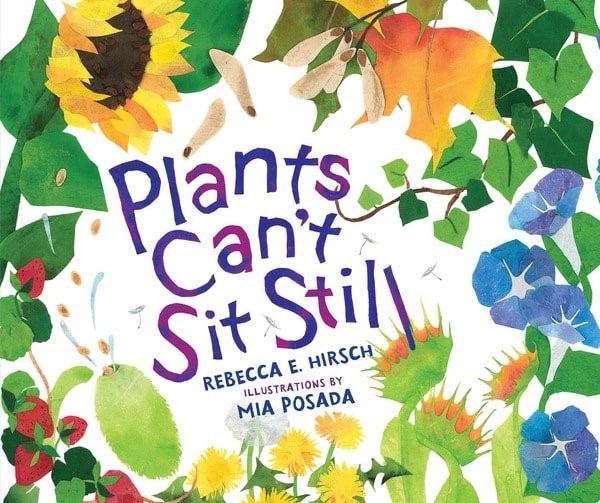
The pair who chose Plants Can’t Keep Still written by Rebecca E.
Hirsch and illustrated by Mia Posada saw the book as a way to launch a unit on
plant propagation (science: life cycles). After reviewing the information in
the book (literacy), the class could look for examples of how seeds spread in
nature. They also found the book lent itself to dance and dramatic activities based
on the movements of plants and seeds (dramatic play, gross motor skills).
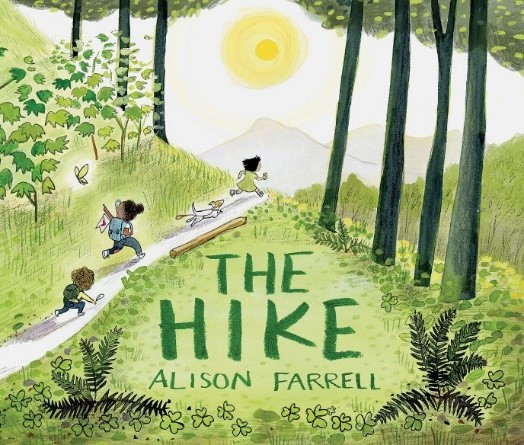
The team who selected The Hike by Alison Farrell admired how the characters
documented their hike in different ways (science), viewing it as a guide to
address diverse needs and abilities (anti-bias), as well as introduce different
methods of storytelling (literacy, art). The strand could culminate in an
individual or group oral or illustrated research project about a class hike.
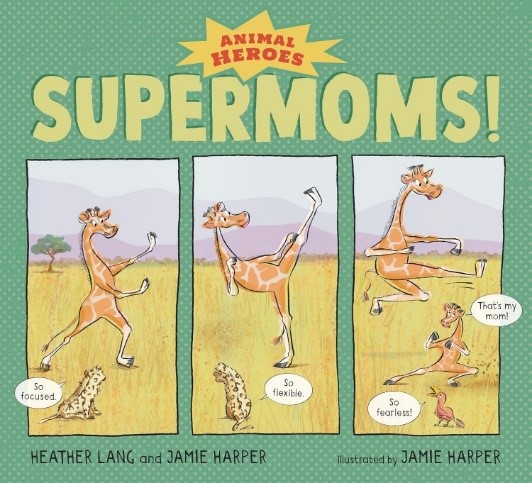
One group was inspired by the connections to kids’ love of superheroes
(social-emotional) in Supermoms by Heather Lang and Jamie Harper. In
their lesson, a read-aloud (literacy) of the book would launch a unit on animal
adaptations (science), zeroing in on specific native species (e.g., skunks or
turtles) or seasonal adaptations (e.g., hibernating bears, migrating birds). Research
projects and story creation could follow. A separate strand could celebrate the
uniqueness of children’s families.
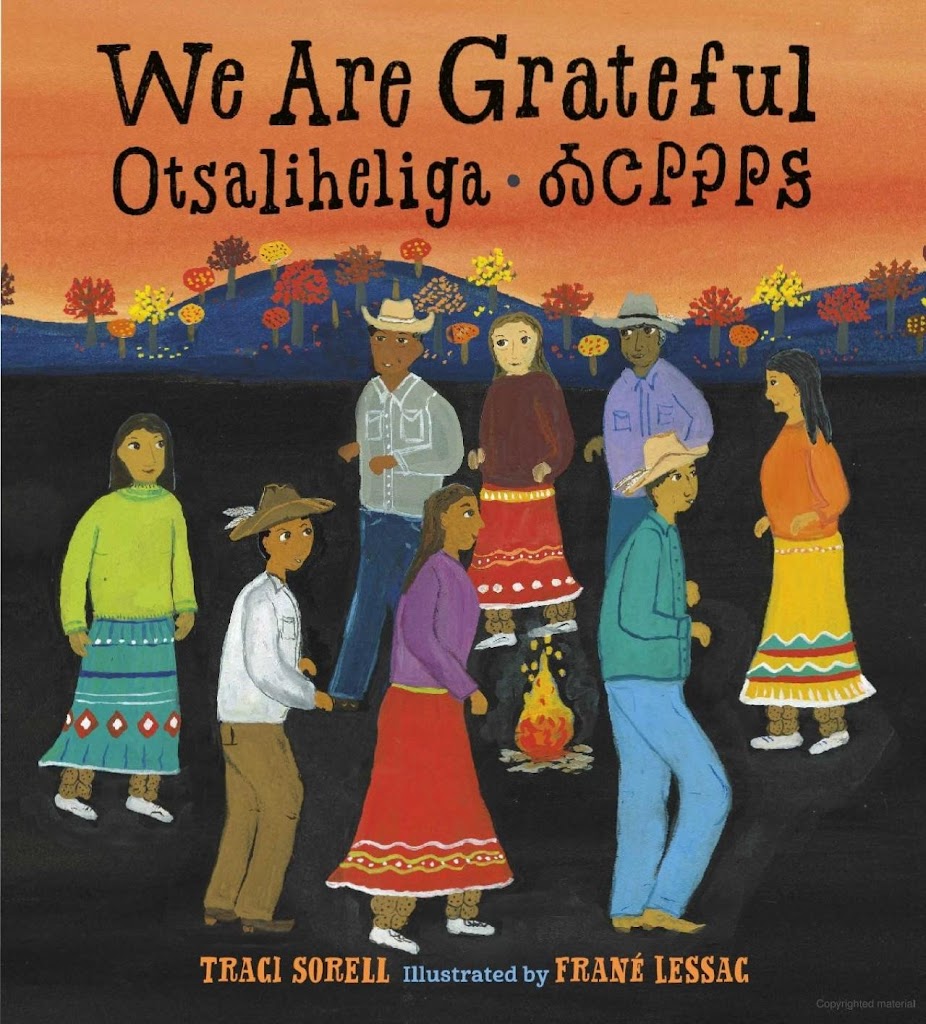
And as the harvest season deepens during the first months of
the upcoming school year, I hope classes across the country will explore the
wonderful title We Are Grateful: Otsaliheliga, written by Traci Sorell and
illustrated by Frané Lessac.
It’s the perfect way to launch a discussion of seasonal
change and will promote a culture of gratitude that can last all year long.
Happy reading and STEAM explorations!
Susan Edwards Richmond is
the award-winning author of Night Owl Night, the community
science adventures Bird Count and Bioblitz! Counting Critters, and the
preschool activity book Science Play. She teaches preschool
and loves to develop curricular strands around her own books and those of her
colleagues. A particular joy is engaging her students as community scientists
doing bird and biodiversity counts, then sharing data online and with professionals.