You’ve probably heard of Readers Theater (RT).
It’s a fun, easy way to bring literature to life.
RT is a reading activity that introduces
students to theatrical techniques without the
hassle of props, costumes, or sets. Instead of memorizing lines, students read
directly from scripts, using intonation, facial expressions, and gestures to
create characters.
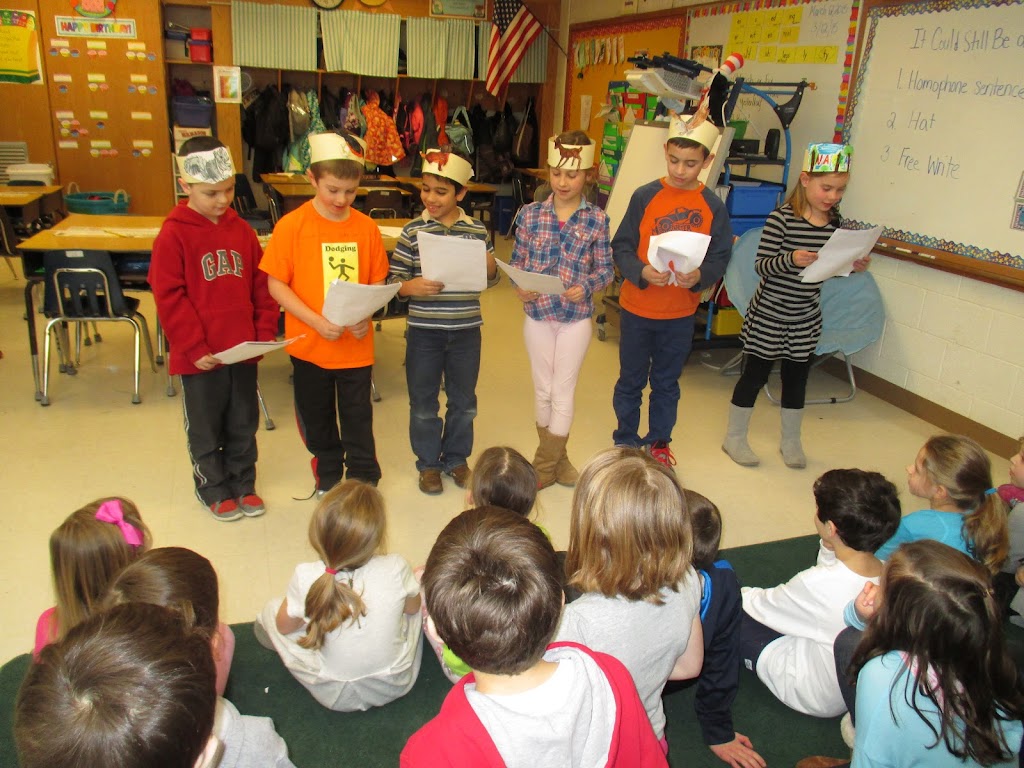
Children are natural performers, and they love using
their imaginations, so RT makes reading practice an adventure instead of a
chore. and well-crafted scripts include roles that allow emergent, struggling,
and more advanced readers to participate in the performance with equal success.
Obvious Benefits of RT
—Builds fluency, vocabulary, and comprehension
at the same time.
—Studies show gains carry over to new and
unpracticed texts
Additional Benefits of RT
—Promotes cooperative interaction among
students
—Improves listening and speaking skills
—Helps shy students develop self-confidence
when reading aloud
Most of the RT scripts available online and in
print are based on fictional stories and have just 10 or 12 parts, but I’ve
created scripts to accompany some of my science-themed nonfiction picture books
with enough roles for every child in your class. And because they focus on high-interest
topics, such as animal behaviors and how animals survive in their habitat, kids love practicing and performing them.
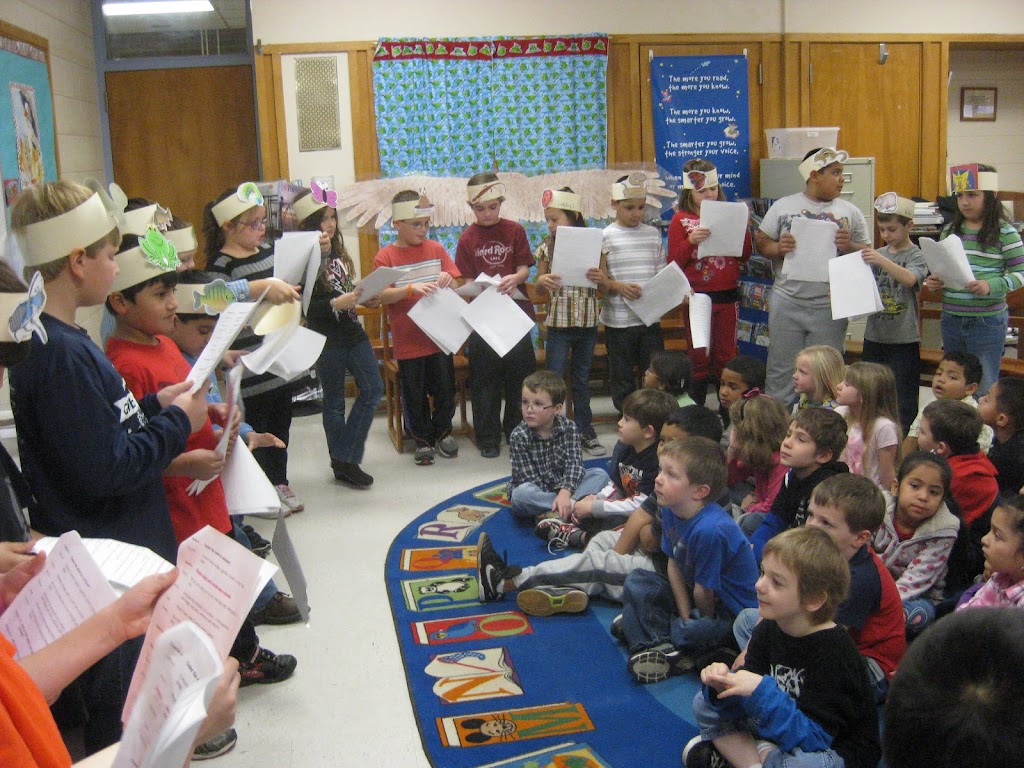
While pretending to be a slithering snake or a little
ladybug, students suddenly see the world from that animal’s point of view. They
also learn about animal activities and become more aware of how living things
interact.
How RT Enriches Science Learning
—Students are more likely to retain science concepts when they’re
incorporated into a fun activity.
—Children feel a connection to “their” creature,
see the world from that animal’s perspective
—Students gain a
deeper understanding of animal behaviors and lifestyles.
—Children learn how
living things interact and become more aware of the roles plants and animals
play in their environment.
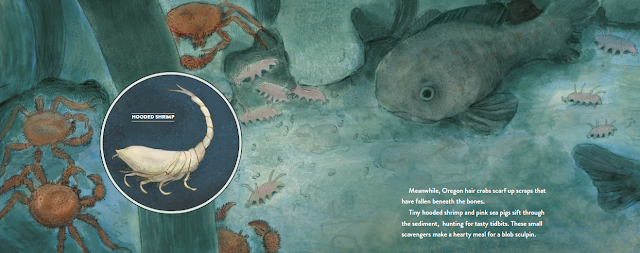
As I transform a book into an RT script, I
focus on strong voice and rich, dynamic language. I also include choruses that
help children stay focused and foster camaraderie. My ultimate goal is to
create a lively, engaging script that students can’t resist reading over and
over.
And it seems to be working. Here are some examples.
I just love the ways teachers and students have enriched my scripts with their
own creative ideas.
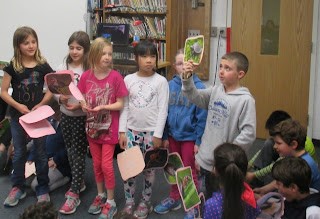
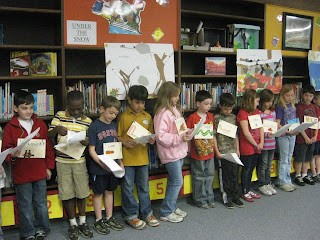
At Hanlon School in Westwood, MA, students printed out photos of
the animal they were portraying and taped their lines to the back.
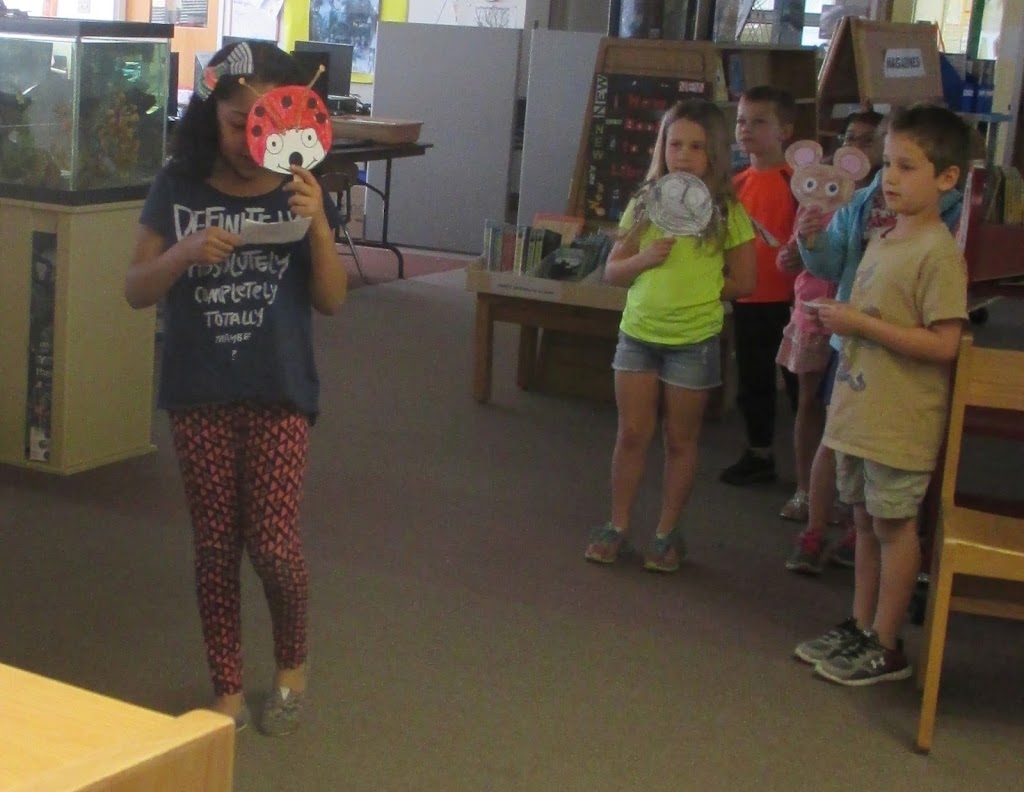
And at Middle Gate School in Newtown, CT, the
students made masks. Instead of standing in a line at the front of the room,
each child walked across the room as they read their lines. I’d neverseen
staging like that before.
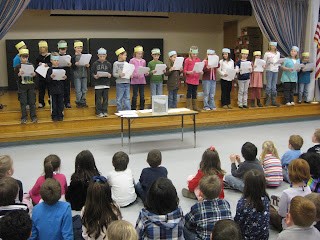
Students at Hathaway School in Portsmouth, RI, created animal
hats.
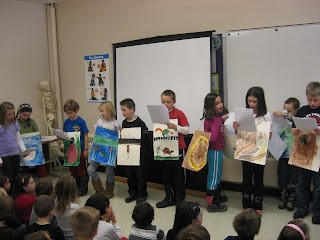
At Pownal School in Pownal, ME, students created animal posters.
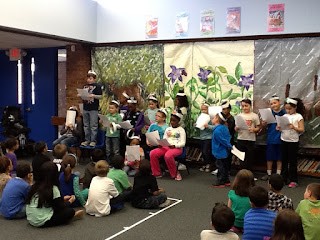
At McGovern School in Medway, MA, classes made creative
backdrops and animal drawings.
And just look at these incredible scenes painted by the art
teacher at Ellsworth School in Windsor, CT.
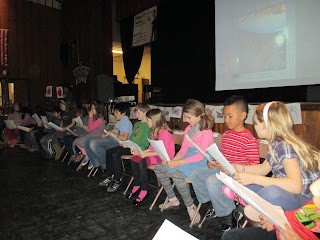
Here’s a sort of “unplugged” version, where students remained
seated throughout the performance at King Open School in Cambridge, MA.
But that’s not all!
Minnesota teacher Pam Patron Warren enjoys
using my readers
theater scripts as paired passages with the books (rather than as a
performance). This approach allows students to see examples of the same
information being presented two different ways.
For example, some of the books have
a lyrical voice, while the RT scripts are more lively and humorous. The
students can compare the two texts and discuss why I wrote them differently.
Because the animals become
characters that speak in the RT scripts, students can also discuss how that
shift turns the writing into informational fiction, while the books themselves
are expository nonfiction.
Pam says these paired-passage
lessons are “fun and accessible to all the kids in my class.” That’s terrific!
If you think of other great ways to
use my scripts in your classroom, please let me know.