
The Writing Process as a Living Story
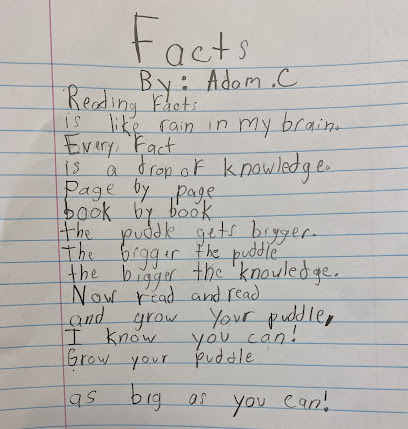
Last spring, I learned about this wonderful poem from Laura Purdie Salas, who spotted it on Amy Lugwig VanDerwater’s amazing blog The Poem Farm. I’m so grateful that Amy asked Adam to write about how the poem came to be: “It was a pouring night. I read a nonfiction book. It had a lot of facts. In bed, […]
Reading Rockets Interview
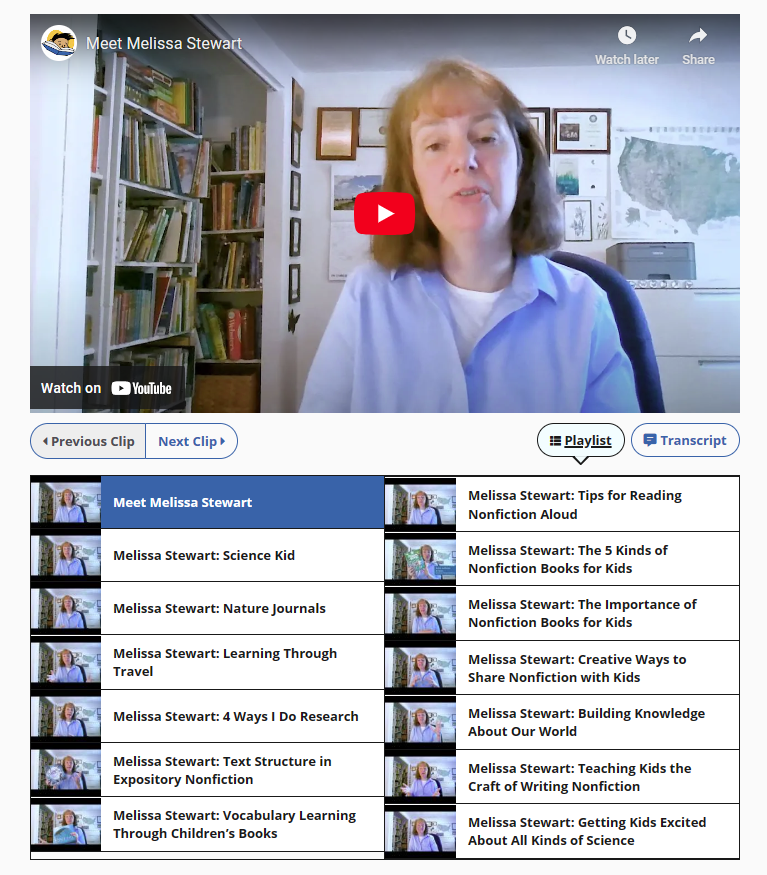
Not long ago, the folks at Reading Rockets interviewed me and edited our discussion into fourteen short videos that you can watch yourself or share with students. Topics include keeping a nature journal, research, text structure, nonfiction read alouds, the 5 Kinds of Nonfiction, and more. I hope you’ll take a look.
How Young Writers Can Avoid Plagiarism, Part 1
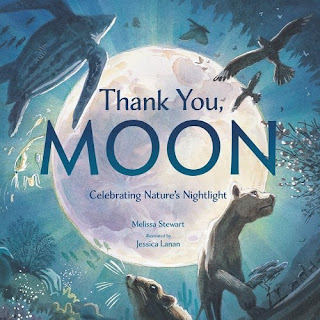
Yesterday was the Full Beaver Moon, so it seems like the perfect time to share the video that accompanies my new book, Thank You, Moon: Celebrating Nature’s Nightlight. On October 24, I wrote a blog post discussing how two personal experiences helped me make Thank You, Moon a unique book that only I could write. The […]
Thank You, Moon: Making It Personal
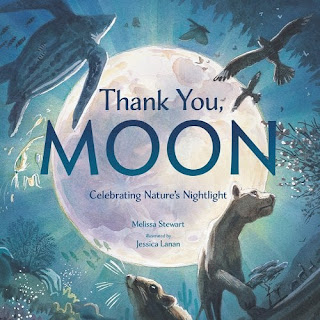
Once I had a plan for how to organize the animal examples in Thank You, Moon, I needed a beginning and an ending. In early drafts, I started by contrasting bright nights and dark ones, but I kept looking back at my original brainstorming sheet. I loved the phrase “constant companion in space” and I wanted […]
Thank You, Moon: Choosing a Text Structure
Last week, I described how I decided to look at the role of the Moon in animals’ lives through the lens of gratitude. That was an important first step in creating Thank You, Moon, but I still needed a text structure, and that’s often the biggest challenge for me. Nearly all narrative nonfiction has a sequence […]
Whale Fall: Behind the Book
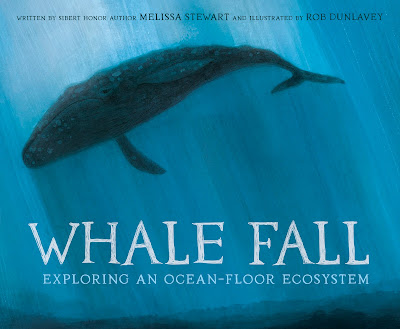
Today is the official release date for Whale Fall: Exploring an Ocean-floor Ecosystem, and I couldn’t be more excited. The story behind this book traces back to 2019. While writing Ick! Delightfully, Disgusting Animals Dinners, Dwellings, and Defenses, I stumbled upon an article about zombie worms, aka bone-eating snot flower worms. Of course, I included them in […]
Crafting Mega-Fun Informational Writing: Choosing a Topic
Back in August 2016, as I was looking at the articles and notes pinned to the Idea Board in my office, I stumbled upon an article I’d torn out of Smithsonian Magazine in 2012. What was it about? Titanoboa—a fearsome 40-foot-long (Yikes!) snake that lived in the swamps of Colombia 60 million years ago. I’d been holding onto it for 4 […]
How I (Accidentally) Became a Nonfiction Writer by Meg Thacher
After reading this recent article on PLOS SciComm, veteran astronomy instructor and author Meg Thacher responded on Facebook, admitting that she had once harbored a bias against nonfiction for kids—thinking of fiction as “real reading” and nonfiction “as research.” What changed her mind? Read on to find out. When I was a kid, I loved fiction. […]
Why I Write Expository Nonfiction by Anita Sanchez
Today we continue the series in which award-winning nonfiction authors discuss the joys and challenges of writing narrative nonfiction and expository nonfiction with an essay by Anita Sanchez. Thank you, Anita. A food chain is simple: little fish are eaten by big fish, which are eaten by bigger fish, and so forth. An ecosystem is far […]
Getting Ready for Informational Writing: The Idea Incubator
In most schools, students do an informational writing unit in the winter—right after the holiday break. But now’s the time to do one small thing that will make a HUGE difference when January rolls around. We all know that students do their best informational writing when they select their own topics. They’re more invested in the […]