
Rainforest Read Alouds + Combining Science with ELA
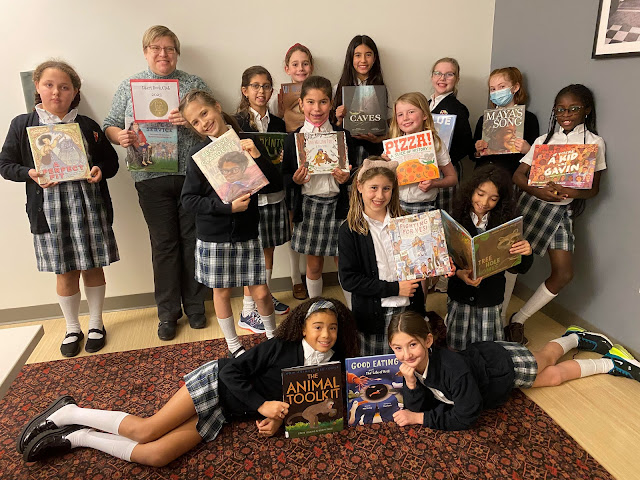
Many elementary classrooms do a unit about rain forests, and it’s a wonderful way to combine science and language arts. Here are five fantastic read alouds that look at the topic through a variety of lenses—fiction, nonfiction, and informational fiction; expository and narrative; biography and cumulative text. There’s something to engage every child. The Leaf […]
Chalk + Ink: A Podcast
Kate Narita, a children’s book author and fourth grade teacher in Massachusetts, has recently started a terrific podcast called Chalk + Ink. It’s intended for Teachers Who Write and Writers Who Teach. Not long ago, I sat down with Kate for a fascinating conversation that included: –tips and tools for teaching informational writing –the lie I told […]
Classifying Science Books for Kids

Recently, I had a chance to read “The Durable, Dynamic Nature of Genre and Science: A Purpose-Driven Typology of Science Trade Books” by Professor Laura May and five of her Georgia State University colleagues. The article appeared in the September 2019 issue of Reading Research Quarterly, which is published by the International Literacy Association. I’ll […]
Speaking Up for Science and Social Studies!
At one time, it was routine to integrate ELA lessons and content-area instruction. Then Congressed passed the No Child Left Behind Act of 2001, and everything changed. Suddenly, math and ELA instruction were prioritized, and students started taking standardized tests to track their progress. Because the school day is only so long, increasing the time […]
A Delightfully Disgusting Sneak Peek
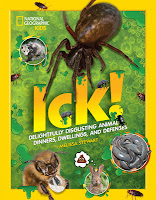
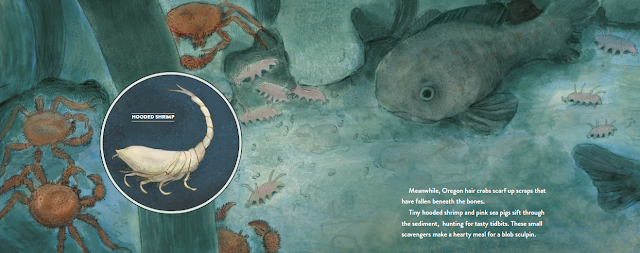
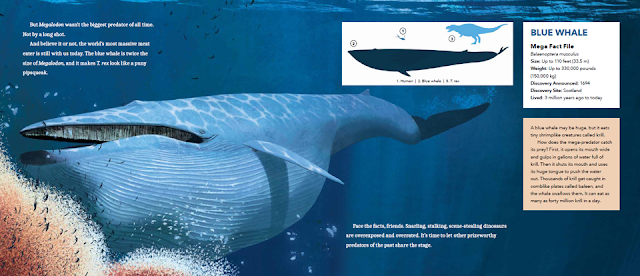
I’m excited to kick off 2020 by sharing something I’m pretty excited about—the cover AND three spreads from my upcoming book Ick! Delightfully Disgusting Animal Dinners, Dwellings, and Defenses. This book has been a looooong time in the making–23 years in all, so I can’t wait for it to officially enter the world on June […]
NSTA Handout: Cross Curricular Connections for Science Books
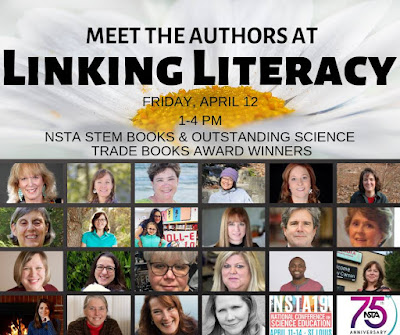
Everyone knows that books about how plants grow and how animals use their unique body features and behaviors to survive can enrich science lessons, but they can also be used lots of other ways. Today, I’m in St. Louis at the National Science Teachers Association’s annual conference, participating in an amazing event that was the […]
10 Great Books for Young Engineers, Inventors, and Tinkerers
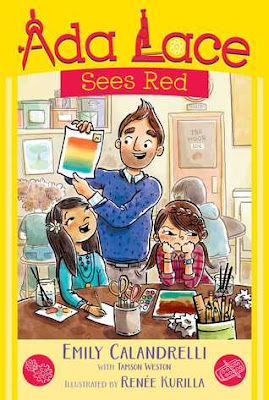
Ada Lace Sees Red by Emily Caladrelli The Boy Who Harnessed the Wind by William Kamkwamba, Bryan Mealer, and Elizabeth Zunon The Day-Glo Brothers: The True Story of Bob and Joe Switzer’s Bright Ideas and Brand-New Colors by Chris Barton and Tony Persiani Energy Island: How One Community Harnessed the Wind and Changed their World […]
Connecticut Reading Association Handout: Integrating Science and Language Arts
Discover how to teach science and language arts simultaneously by building engaging, inquiry-based K-5 science lessons around pairs of award-winning trade fiction and nonfiction picture books. Even if you are science shy, you can create lessons that will ignite your students’ natural curiosity and make them eager to learn about world around them. “Studies show […]
Behind the Books: So Long, Scientific Method
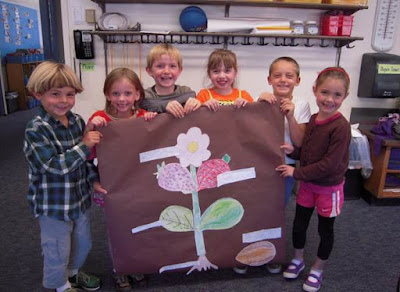
In 2012, the National Academies of Science, Engineering, and Medicine published A Framework for K-12 Science Education: Practices, Crosscutting Concepts, and Core Ideas, a landmark document written by a diverse committee of scientists and engineers. Its purpose was to provide recommendations for overhauling K-12 science education to reflect our current understanding of the natural world […]
Teaching Science with Kidlit
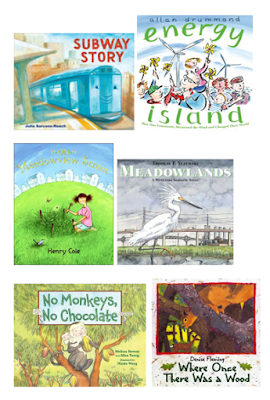
NGSS PE 5-ESS3-1. Obtain and combine information about ways individual communities use science ideas to protect Earth’s resources and environment. Try these book pairs: For more suggestions and full lessons, check out Perfect Pairs: