
In the Classroom: The Power of Peer Critiques
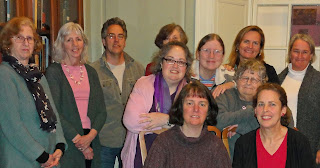
I’m in a critique group that meets twice a month at a library in the next town. At each meeting, four people read up to eight pages of a work-in-progress and receive feedback from the rest of the group. Sharing manuscripts with my critique group is a critical part of my writing process because my […]
Behind the Books: Still Sitting in a Drawer
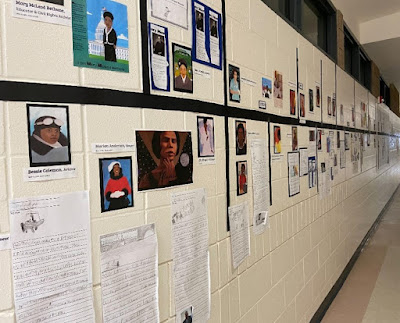
During school visits, students often ask me how many books I’ve written. Before answering, I ask for clarification. Do they want to know how many books I’ve published or how many books I’ve written? That’s right. The two questions have different answers. So far, I’ve published 190 books, but I’ve written about 30 more that […]
MSLA Handout: Innovative Activities for Teaching Nonfiction Reading and Writing
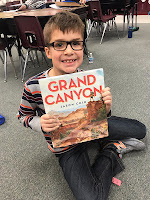
Author-educator Melissa Stewart shares fun, practical ideas for helping K-5 students develop information literacy skills as they read award-winning nonfiction books and produce their own informational writing. Attendees will go home with creative ways to support student learning in the library and via collaboration with classroom teachers. READING Nonfiction Smackdown! Upper elementary students read two […]
RI TeacherFest Handout: Helping Students Overcome Their Biggest Nonficiton Writing Roadblocks
Today Sarah Albee and I are leading a 90-minute session at the Rhode Island Teacherfest. We will begin by asking the educators in the audience to share the most common nonfiction writing challenges their students face, and then we will suggest solutions. We will also invite audience members to share their own creative ideas with […]
Behind the Books: A First Draft Isn’t a Mistake
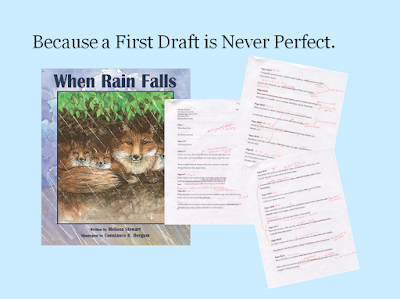
When I present the school visit program, Creating Nonfiction: Researching, Writing, and Revising, I show the image above and ask students what all those red marks are on my rough draft. Of course, the answers I’m looking for are “edits” and “revisions,” but sometimes students say “mistakes” or “things that need to be fixed.” And this […]
Helping Students Overcome Their Biggest Nonfiction Writing Challenges
Today SarahAlbee and I are leading a 90-minute session at the Massachusetts Reading Association conference. We will begin by asking the classroom teachers, librarians, reading specialists, and literacy coaches in the audience to share the most common nonfiction writing challenges their students face, and then we will suggest solutions. We will also invite audience members […]
Behind the Books: The Duct Tape Rule
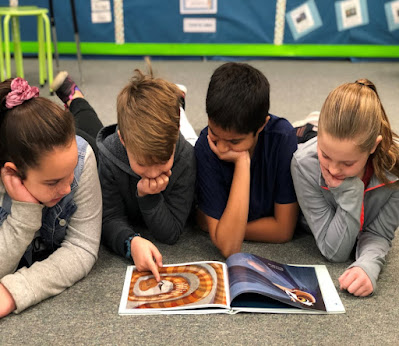
One of the most important steps of my writing process is sharing my rough draft with my critique group. We meet twice a month at a library near my home. Many students have a similar step in their writing process. Some schools call it peer review. Others call it buddy editing. Some schools don’t really […]
Three Tips for Writing Teachers

Recently, a teacher tweeted me with this question: When kids revise, their changes may not be improvements. How can we lead them to make their manuscripts better? That’s a great question, but it’s not something that can be answered in 140 characters. And in fact, I’m not sure there’s an answer—at least not one teachers […]
Radical Revision!
If you’re a regular reader of this blog, you know that I think taking a break between drafts is a critically important part of my writing process. I’ve written about it here and here. I discuss this important step every time I present the school visit program Creating Nonfiction: Researching, Writing, and Revising. I’ve given […]
Behind the Books: Revision, Rehearsal, Renovation
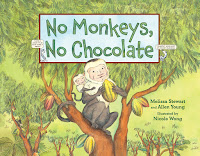
Let’s face it. Kids aren’t crazy about the idea of revising their writing. I created a Revision Timeline documenting the 10-year process of creating No Monkeys, No Chocolate so that teachers would have an engaging tool for showing young writers that professional writers revise. A lot. For a few years now, I’ve been telling students […]