
Chalk + Ink: A Podcast
Kate Narita, a children’s book author and fourth grade teacher in Massachusetts, has recently started a terrific podcast called Chalk + Ink. It’s intended for Teachers Who Write and Writers Who Teach. Not long ago, I sat down with Kate for a fascinating conversation that included: –tips and tools for teaching informational writing –the lie I told […]
Video Mini-Lessons for Students at Shutdown Schools
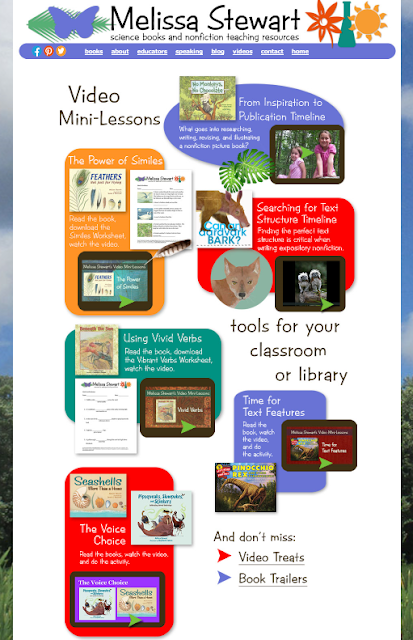
Since many schools have been temporarily shut down in an effort to slow the coronavirus’s spread, I wanted to mention some of the educational resources available on my website. They include a half-dozen video mini-lessons that look at various aspects of informational writing, including research, text features, text structures, rich language, voice, and revisions. I […]
Revision, Rehersal, Renovation

Since 2019 marks the 10th Anniversary of this blog, on Fridays this year, I’m updating and re-running some past posts that sparked conversation or that I think still have a lot to offer people teaching or writing nonfiction. Today’s post originally appeared on May 18, 2016. Let’s face it. Kids aren’t crazy about the idea […]
Radical Revision!
Since 2019 marks the 10th Anniversary of this blog, on Fridays this year, I’m updating and re-running some past posts that sparked conversation or that I think still have a lot to offer people teaching or writing nonfiction. Today’s post originally appeared on September 2, 2016. If you’re a regular reader of this blog, you […]
MSLA Handout: Innovative Activities for Teaching Nonfiction Reading and Writing
Author-educator Melissa Stewart shares fun, practical ideas for helping K-5 students develop information literacy skills as they read award-winning nonfiction books and produce their own informational writing. Attendees will go home with creative ways to support student learning in the library and via collaboration with classroom teachers. READING Nonfiction Smackdown! Upper elementary students read two […]
Behind the Books: Writing STEM Picture Books, Part 1
If you take a look at the revision timelines I created for my books No Monkeys, No Chocolate and Can an Aardvark Bark?, you can see that they took 10 years and 7 years, respectively, to create. Writing a picture book of any kind, fiction or nonfiction, takes time and effort. To succeed, writers have […]
Behind the Books: A First Draft Isn’t a Mistake
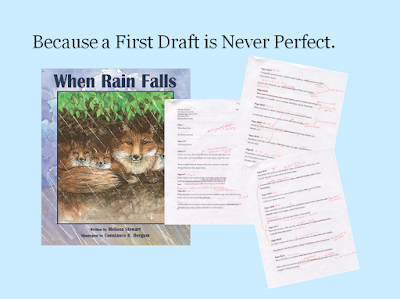
When I present the school visit program, Creating Nonfiction: Researching, Writing, and Revising, I show the image above and ask students what all those red marks are on my rough draft. Of course, the answers I’m looking for are “edits” and “revisions,” but sometimes students say “mistakes” or “things that need to be fixed.” And this […]
Helping Students Overcome Their Biggest Nonfiction Writing Challenges
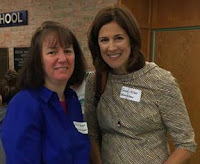
Today SarahAlbee and I are leading a 90-minute session at the Massachusetts Reading Association conference. We will begin by asking the classroom teachers, librarians, reading specialists, and literacy coaches in the audience to share the most common nonfiction writing challenges their students face, and then we will suggest solutions. We will also invite audience members […]
Three Tips for Writing Teachers
Recently, a teacher tweeted me with this question: When kids revise, their changes may not be improvements. How can we lead them to make their manuscripts better? That’s a great question, but it’s not something that can be answered in 140 characters. And in fact, I’m not sure there’s an answer—at least not one teachers […]
Radical Revision!
If you’re a regular reader of this blog, you know that I think taking a break between drafts is a critically important part of my writing process. I’ve written about it here and here. I discuss this important step every time I present the school visit program Creating Nonfiction: Researching, Writing, and Revising. I’ve given […]