
How the 5 Kinds of Nonfiction Can Enrich Student Writing
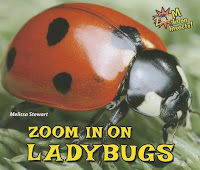
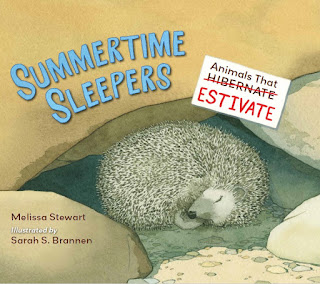
Imagine this scenario: A second grader named Kiyana has seen ladybugs in her yard and is excited to write a report about them. Since she doesn’t know much about these little insects, she begins her research process by reading Zoom in on Ladybugs by Melissa Stewart. This traditional nonfiction (all-about) book features information about where ladybugs […]
Resource for Educators: Revision Decisions
If you’d like your students to get a glimpse of a professional nonfiction author’s revision process in action, check out the Revision Decisions interactive teaching tool on my website. (Keep scrolling down until you spot the green box on the right.) It combines a google slide show with sound clips, so students can explore my creative […]
Resources for Educators: Radical Revision
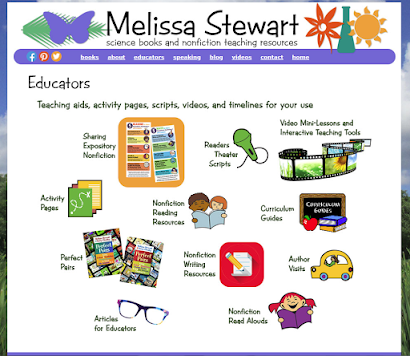
More and more, teachers are requesting educational resources that go beyond traditional teachers guides and activity sheets. So while I do still have those kinds of materials on my website, I’m also offering resources that delve deeply into the nonfiction reading and writing process from an author’s point of view. Some of these resources focus […]
My Biggest Revision Secret
Since the 2019-2020 school year marks the 10th Anniversary of this blog, on Fridays, I’m resurrecting and updating old posts that sparked a lot of conversation or that still have a lot to offer people teaching or writing nonfiction. If you’re a regular reader of this blog, chances are you’ve read previous posts about my […]
What’s in a Name?
Since the 2019-2020 school year marks the 10th Anniversary of this blog, on Fridays, I’m resurrecting and updating old posts that sparked a lot of conversation or that still have a lot to offer people teaching or writing nonfiction. Today’s essay originally appeared on June 1, 2018. During school visits, I often ask students to […]
#RevisioninRealLife
Back in early November, I re-ran this popular post from the past on my blog. And once again, teachers loved it. Revision never fails to gets kids moaning and groaning, so educators are always looking for ways to convince them that it’s a natural part of the writing process. In the post, I use this […]
Revision, Rehersal, Renovation

Since 2019 marks the 10th Anniversary of this blog, on Fridays this year, I’m updating and re-running some past posts that sparked conversation or that I think still have a lot to offer people teaching or writing nonfiction. Today’s post originally appeared on May 18, 2016. Let’s face it. Kids aren’t crazy about the idea […]
Radical Revision!
Since 2019 marks the 10th Anniversary of this blog, on Fridays this year, I’m updating and re-running some past posts that sparked conversation or that I think still have a lot to offer people teaching or writing nonfiction. Today’s post originally appeared on September 2, 2016. If you’re a regular reader of this blog, you […]
Writing Sprints with Kids
Last summer, authors Linda Sue Park and Laurie Halse Anderson introduced me to the idea of writing sprints—timed writing sessions with short breaks in between. Some people say 25 minutes is the ideal length of a writing sprint, but Linda Sue prefers 12 minute blocks. In October, I decided to try this technique with […]
In the Classroom: What’s in a Name?
When I visit schools, I ask students to walk me through the steps of their nonfiction writing process. My goal is to learn the terminology they use, so I can literally speak their language during my presentation. For example, do they use “rough draft,” “first draft,” or “sloppy copy”? Do they say “buddy editing” or […]