
Book of the Week: Titanic
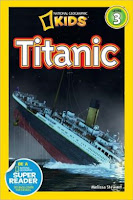
Educators often ask me which of my books would work best in their classroom. So this year, I’ve decided to feature a book each week and highlight related teaching materials and strategies. When Titanic was published, I created a fun video interview about why I wrote the book, how I decided on the book’s structure, […]
AASL Handout
Getting Ready for Research: Building Skills in K-3 Author-educator Melissa Stewart introduces scaffolded visual, information, and digital literacy activities to help K-3 students develop the observational, inquiry, and critical thinking skills required to evaluate print and digital resources for nonfiction reports. Supports Common Core RIT Standards 6 and 7 and Writing Standards 7 and 8. […]
Behind the Books: Go, Go, PebbleGo*

Lately, it seems like Capstone’s PebbleGo is sweeping the nation. At almost every school I visit, elementary students are using the research database to gather information for reports and projects. I think that’s great because I rely heavily on research databases too, and now I can discuss that part of my research process with students. […]
Behind the Books: Using Social Media for Research
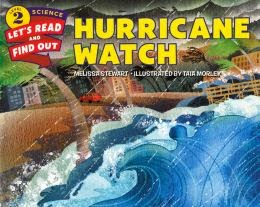
From the moment I received the assignment my new book Hurricane Watch, I knew I wanted to take readers on a journey through the stages of hurricane formation and give them a front row seat to what happens when the super storm hits land. Because I’ve never experienced a hurricane, I needed to interview people […]
The Science-Literacy Connection
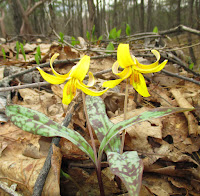
Bumblebees rejoice! Yellow trout lilies provide springtime sustenance. I posted this haiku last week on Twitter and Facebook, but then I realized I wanted to share more than just the poem. It all began with a joyful romp in the woods with my husband over the weekend. We knew the time was right for wildflowers, […]
Behind the Books: Thinking About Back Matter
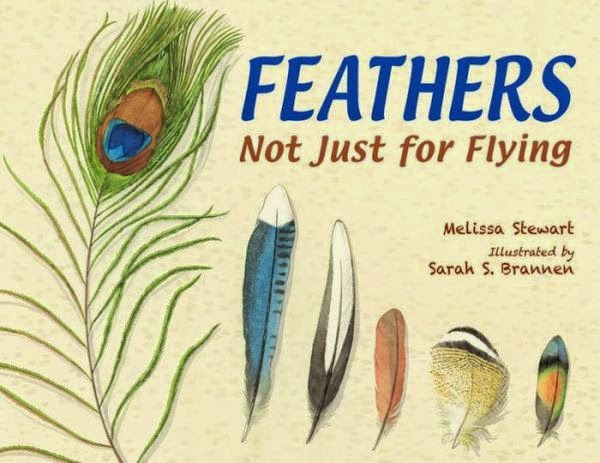
Common Core has made educators much more focused on back matter in nonfiction books, and that’s a good thing. Source notes, bibliographies, and further reading lists are the perfect places for curious young readers and report-writers to begin exploring a topic that interests them. By grades 4 or 5, students should be thinking about examining […]
Deadliest Animals: Research
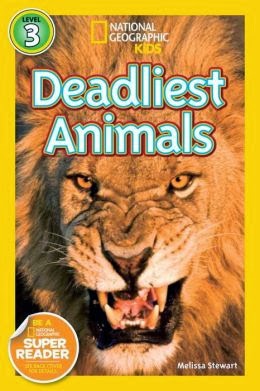
I wrote about my general research process just a few weeks ago, here and here, so I’d encourage you to look at those posts and share them with your students. Although I’ve observed many of the creatures in Deadliest Animals while on safari in Africa or exploring the tropical rain forests of Costa Rica, I […]
Behind the Books: Is the Internet Reliable?

Even a first grader knows the answer to this question. Sometimes. But kids vary in their ability to know how to deal with this reality. Most know that Wikipedia can’t be trusted, for instance. But beyond that, many aren’t sure how to evaluate sites. So today I’m sharing a tip that I hope kids everywhere […]
Behind the Books: How I Research
When I do school visits for grades 3-5, one of the questions that always comes up is how I do research for a book. I tell students that researching a nonfiction book is a lot like researching a report for school. Most of the time, I start out by reading everything I can get my […]
Behind the Books: Cut and Paste
When I’m doing research, I enter all my notes into a single computer file. By the time I’m ready to start writing, that file might be 20, 30, 40 pages long. That’s when it’s time to cut and paste. I save my original file exactly as it is—with all my references and citations. Then I […]