
Helping Students Overcome Their Biggest Nonfiction Writing Challenges
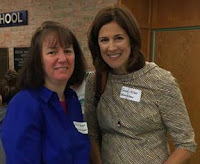
Today SarahAlbee and I are leading a 90-minute session at the Massachusetts Reading Association conference. We will begin by asking the classroom teachers, librarians, reading specialists, and literacy coaches in the audience to share the most common nonfiction writing challenges their students face, and then we will suggest solutions. We will also invite audience members […]
Behind the Books: A Place for Bats

This is the fourth book I’ve revised and updated in the A Place for series. The original edition of A Place for Bats was published in 2012, and it’s hard to believe how much has changed for these furry fliers since then. As I plunged into the research last winter, I realized that both […]
Nonfiction Pre-writing: An Authentic Example
A few weeks ago,I wrote a blog post called Why Kids Copy their Research Sources, and How to Break the Habit and was blown away by the response. So many teachers told me it was incredibly helpful. I also received some great comments from fellow children’s book writers. Award-winning science poet Leslie Bulion had this […]
Behind the Books: Milford, CT PD Handout
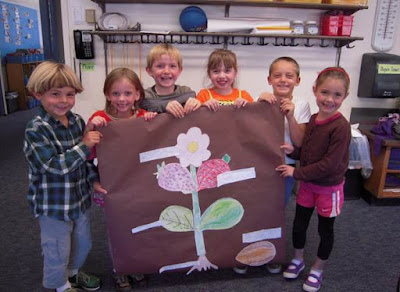
Building Research Skills in K-3 Author-educator Melissa Stewart introduces scaffolded visual, information, and digital literacy activities to help K-3 students develop the observational, inquiry, and critical thinking skills required to evaluate print and digital resources for nonfiction reports. Supports Common Core RIT Standards 6 and 7 and Writing Standards 7 and 8. The content […]
Behind the Books: Five Ways to Strengthen Student Questioning

Not long ago, I saw this book announcement in Publishers Weekly and got VERY excited: Alyssa Mito Pusey at Charlesbridge has acquired Did You Burp? How to Ask Questions (Or Not), a picture book about questions and answers—how to form them and when to ask them—by April Pulley Sayre, for publication in fall 2018. Charlie […]
In the Classroom: Why Kids Copy their Research Sources, and How to Break the Habit

Recently, author Sarah Albee and I facilitated a conversation with educators about ways to help students with their biggest nonfiction writing roadblocks. One topic that came up really surprised me—copying sources. Why do students copy rather than expressing ideas and information in their own words? Because they haven’t taken the time to analyze and synthesize […]
Christa McAuliffe Technology Conference Handout
Building Research Skills in K-3 Author-educator Melissa Stewart introduces scaffolded visual, information, and digital literacy activities to help K-3 students develop the observational, inquiry, and critical thinking skills required to evaluate print and digital resources for nonfiction reports. Supports Common Core RIT Standards 6 and 7 and Writing Standards 7 and 8. Recommended Books […]
Behind the Books: Stepping Up to Research, Step 4

According to new findings from the Teachers College Reading and Writing Project at Columbia University, the best nonfiction writing occurs when early-elementary research experiences are scaffolded as follows: 1. Organize and categorize information (a) based on personal experiences (b) on a topic they care deeply about 2. Organize, categorize, and compare observations. […]
Behind the Books: Stepping Up to Research, Step 3
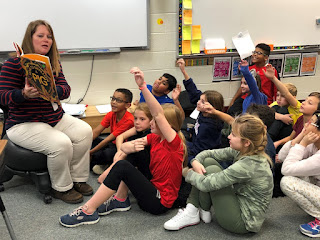
According to new findings from the Teachers College Reading and Writing Project at Columbia University, the best nonfiction writing occurs when early-elementary research experiences are scaffolded as follows: 1. Organize and categorize information (a) based on personal experiences (b) on a topic students care deeply about 2. Organize, categorize, and […]
Behind the Books: Stepping Up to Research, Step 2
According to new findings from the Teachers College Reading and Writing Project at Columbia University, the best nonfiction writing occurs when early-elementary research experiences are scaffolded as follows: 1. Organize and categorize information (a) based on personal experiences (b) on a topic students care deeply about 2. Organize, categorize, and compare observations. 3. […]