
Teaching Science with Kidlit: NGSS Performance Expectation 1-LS1-2

Okay, now that it’s January, we’re back at it. When I began this strand back in early September, things looked pretty good for the Next Generation Science Standards. What a different 4 months have made. These days, many states are talking about adapting rather than adopting NGSS as written. In some cases, I think that’s […]
Teaching Science with Kidlit: NGSS Performance Expectation 1-LS1-1, Part 5
1-LS1-1. Use materials to design a solution to a human problem by mimicking how plants and/or animals use their external parts to help them survive, grow, and meet their needs. [Clarification Statement: Examples of human problems that can be solved by mimicking plant or animal solutions could include designing clothing or equipment to protect bicyclists […]
Teaching Science with Kidlit: NGSS Performance Expectation 1-LS1-1, Part 4
1-LS1-1. Use materials to design a solution to a human problem by mimicking how plants and/or animals use their external parts to help them survive, grow, and meet their needs. [Clarification Statement: Examples of human problems that can be solved by mimicking plant or animal solutions could include designing clothing or equipment to protect bicyclists […]
Teaching Science with Kidlit: NGSS Performance Expectation 1-LS1-1, Part 3
1-LS1-1. Use materials to design a solution to a human problem by mimicking how plants and/or animals use their external parts to help them survive, grow, and meet their needs. [Clarification Statement: Examples of human problems that can be solved by mimicking plant or animal solutions could include designing clothing or equipment to protect bicyclists […]
Teaching Science with Kidlit: NGSS Performance Expectation 1-LS1-1, Part 2
1-LS1-1. Use materials to design a solution to a human problem by mimicking how plants and/or animals use their external parts to help them survive, grow, and meet their needs. [Clarification Statement: Examples of human problems that can be solved by mimicking plant or animal solutions could include designing clothing or equipment to protect bicyclists […]
Teaching Science with Kidlit: NGSS Performance Expectation 1-LS1-1
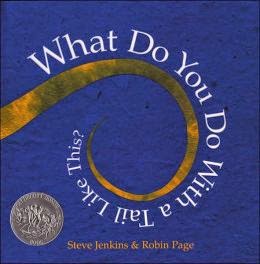
This is a very meaty PE, especially if we want to do justice to the clarification statement. I’m going to focus on uses for external parts for the next few weeks. Then I’ll bring all my suggestions together with ideas that are directly relevant to the engineering part of the PE. 1-LS1-1. Use materials to […]
Teaching Science with Kidlit: NGSS Performance Expectation K-ESS3-3
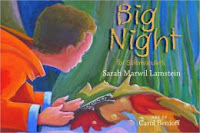
Expanding on last week’s post, here are some books and activities that focus specifically on one aspect of K-ESS3-3—watery worlds and the creatures that call them home. Here are some books that I recommend: Big Night for Salamanders by Sarah Merwil Lamstein Turtle, Turtle, Watch Out! by April Sayre Subway Story by Julia Sarcone-Roach 365 […]
Teaching Science with Kidlit: NGSS Performance Expectation K-ESS3-3
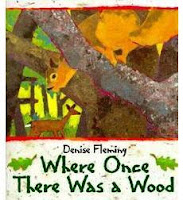
Let’s focus on yet another kindergarten PE that is lumped under Earth & Space Science, though it really has significant overlap with life science concepts. This week, my suggestions are related to land environments. Next week, I’ll look at water environments. K-ESS3-3.Communicate and discuss solutions that will reduce the impact of humans on the land, […]
Integrating Science and Language Arts: NGSS Performance Expectation K-ESS2-1
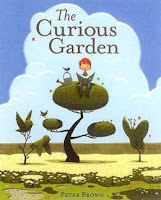
Expanding on the post from October 7, here are some books and activities that focus specifically on one aspect of K-ESS2-1—the role humans can play in altering an environment, either accidentally or on purpose, sometimes for the better, sometimes for the worse. Here are some books that I recommend: The Curious Garden by Peter Brown […]
Teaching Science with Kidlit: NGSS Performance Expectation K-ESS2-1

This week, I’m focusing on another kindergarten PE that is lumped under Earth & Space Science, though it really has significant overlap with life science concepts. K-ESS2-1. Construct an argument supported by evidence for how plants and animals (including humans) can change the environment to meet their needs. [Clarification Statement: Examples of plants and animals […]