
Teaching Science with Kidlit
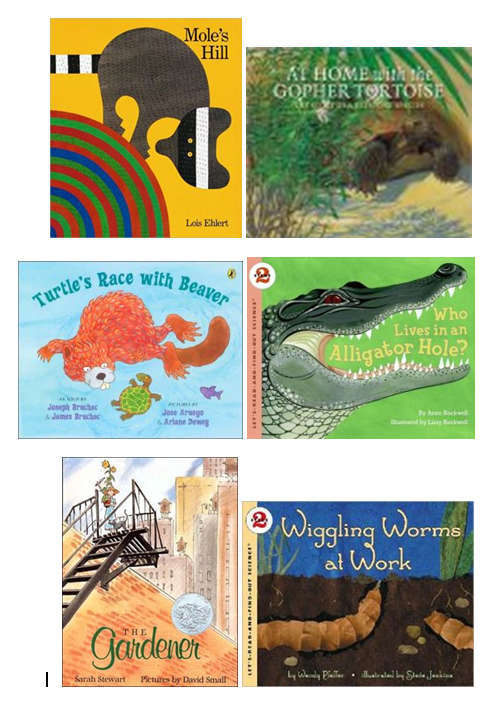
NGSS K-ESS2-2. Construct an argument supported by evidence for how plants and animals (including humans) can change the environment to meet their needs. Try using these book pairs: For more suggestions and full lesson plans, check out Perfect Pairs:
Teaching Science with Kidlit
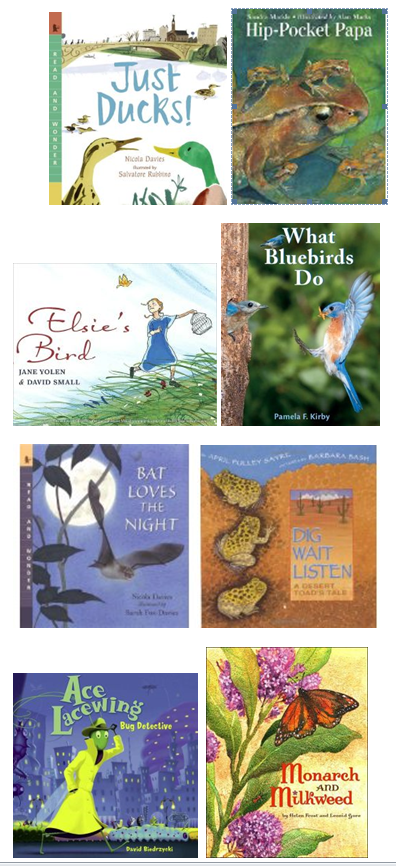
NGSS K-ESS3-1. Use a model to represent the relationship between the needs of different plants and animals (including humans) and the places they live. Try these book pairs: For more suggestions and full lesson plans, check out Perfect Pairs:
Teaching Science with Kidlit
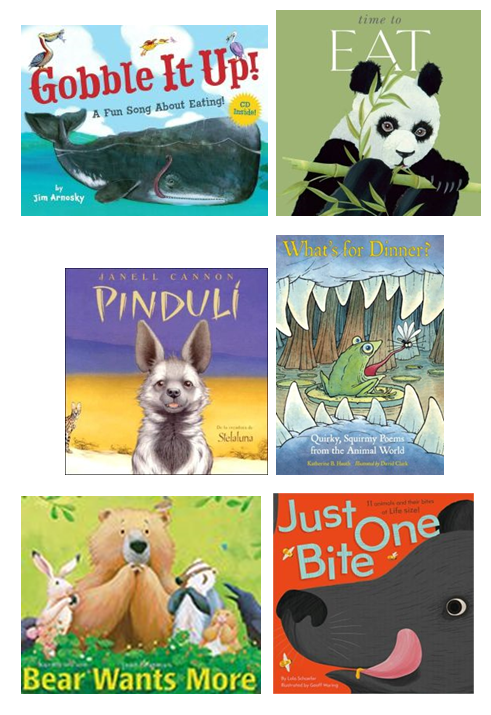
NGSS K-LS1-1. Use observations to describe patterns of what plants and animals (including humans) need to survive. Try these book pairs: For more suggestions and full lesson plans, check out Perfect Pairs:
Behind the Books: Perfect Pairs
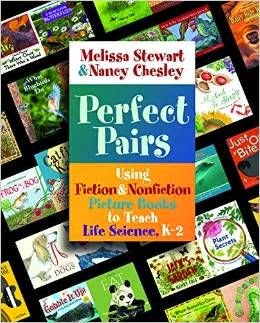
After writing more than 150 science books for kids, I decided to try something a little different—a book for teachers that brings together science and ELA instruction. My co-author Nancy Chelsey and I worked on Perfect Pairs: Using Fiction & Nonfiction Picture Books to Teach Life Science, K-2 for three long years, writing and testing […]
Teaching Science with Kidlit
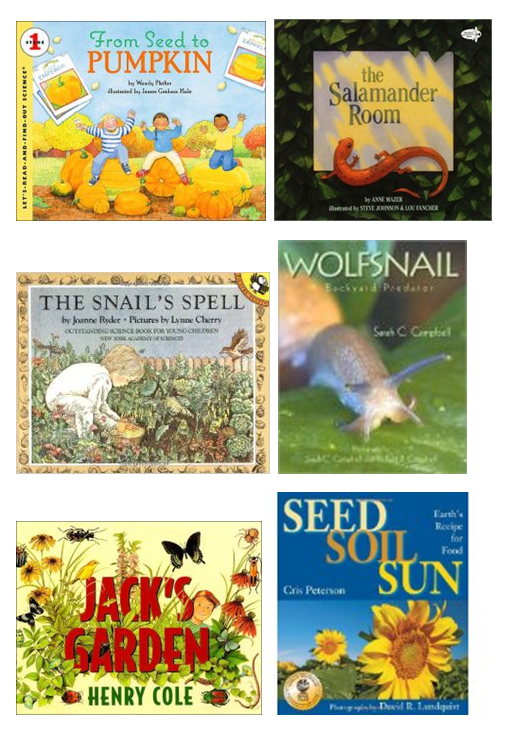
NGSS K-LS1-1. Use observations to describe patterns of what plants and animals (including humans) need to survive. Try these book pairs: For more suggestions and full lesson plans, check out Perfect Pairs:
Teaching Science with Kidlit: NGSS Performance Expectation 2-LS4-1, Part 3

2-LS4-1. Make observations of plants and animals to compare the diversity of life in different habitats [Clarification Statement: Emphasis is on the diversity of living things in each of a variety of different habitats.] After comparing two very different biomes, you can focus on two different examples of the same biome, such as a swamp […]
Teaching Science with Kidlit: NGSS Performance Expectation 2-LS4-1, Part 2
2-LS4-1. Make observations of plants and animals to compare the diversity of life in different habitats [Clarification Statement: Emphasis is on the diversity of living things in each of a variety of different habitats.] After students have a clear understanding of what a habitat is, you can introduce the term biome (a large area of […]
Teaching Science with Kidlit: NGSS Performance Expectation 1-LS4-1
2-LS4-1. Make observations of plants and animals to compare the diversity of life in different habitats [Clarification Statement: Emphasis is on the diversity of living things in each of a variety of different habitats.] The word “habitat” is misused more than just about any word I can think of. According to scientists, every living thing […]
Integrating Science and Language Arts: NGSS Performance Expectation 2-LS2-2
2-LS2-2. Develop a simple model that mimics the function of an animal in dispersing seeds or pollinating plants. Miss Maple’s Seeds by Eliza Wheeler Planting the Wild Garden by Kathryn O. Gailbraith Plant a Little Seed by Bonnie Christensen No Monkeys, No Chocolate by Melissa Stewart Activity 1 Ask your students to look at […]
Teaching Science with Kidlit: NGSS Performance Expectation 1-LS3-1
1-LS3-1. Make observations to construct an evidence-based account that young plants and animals are like, but not exactly like, their parents. [Clarification Statement: Examples of patterns could include features plants or animals share. Examples of observations could include leaves from the same kind of plant are the same shape but can differ in size; and, […]