
What a Great Idea!
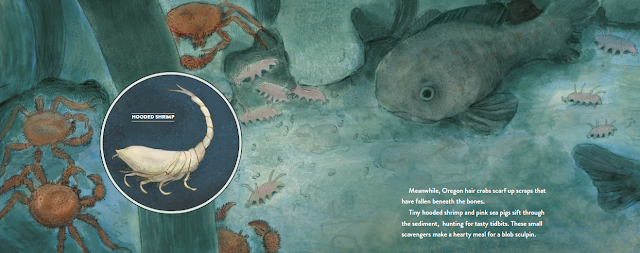
Recently, Minnesota teacher Pam Patron Warren suggested an idea that I wanted to share with you. Pam enjoys using the readers theater scripts I’ve created to accompany many of my picture books, but not in the way you might expect. She uses them as paired passages with the book rather than as a performance. This […]
Expository vs. Narrative Nonfiction: Honeybees, Part 2
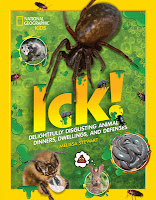
On Monday, I shared an expository passage about honeybees from my upcoming book Ick! Delightfully Disgusting Animal Dinners, Dwellings, and Defenses and talked a little bit about my process. You can scroll down to read it. Today, we’re going to continue our discussion of the differences between narrative and expository nonfiction by looking at a […]
Speaking Up for Science and Social Studies!
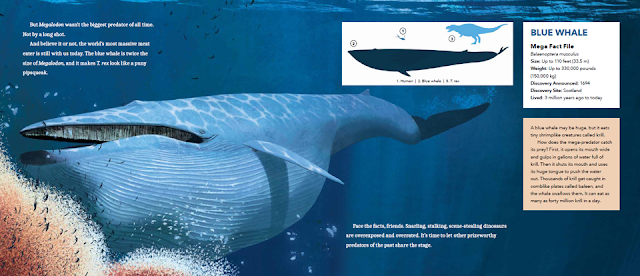
At one time, it was routine to integrate ELA lessons and content-area instruction. Then Congressed passed the No Child Left Behind Act of 2001, and everything changed. Suddenly, math and ELA instruction were prioritized, and students started taking standardized tests to track their progress. Because the school day is only so long, increasing the time […]
NSTA Handout: Cross Curricular Connections for Science Books
Everyone knows that books about how plants grow and how animals use their unique body features and behaviors to survive can enrich science lessons, but they can also be used lots of other ways. Today, I’m in St. Louis at the National Science Teachers Association’s annual conference, participating in an amazing event that was the […]
NF 10 x 10: Celebrating Seeds!
I created this post for the annual Nonfiction Picture Book 10 for 10 (#nf10for10) event started by Cathy Mere (@CathyMere) and Mandy Robek (@mandyrobeck) in 2013. In honor of my brand-spanking new book A Seed Is the Start, I’m featuring ten of my favorite seed-related nonfiction titles . . . As an Oak Tree Grows by G. Brian […]
Connecticut Reading Association Handout: Integrating Science and Language Arts
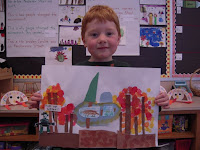
Discover how to teach science and language arts simultaneously by building engaging, inquiry-based K-5 science lessons around pairs of award-winning trade fiction and nonfiction picture books. Even if you are science shy, you can create lessons that will ignite your students’ natural curiosity and make them eager to learn about world around them. “Studies show […]
Teaching Science with Kidlit
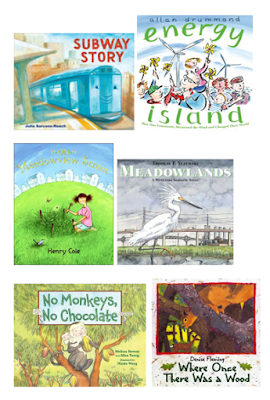
NGSS PE 5-ESS3-1. Obtain and combine information about ways individual communities use science ideas to protect Earth’s resources and environment. Try these book pairs: For more suggestions and full lessons, check out Perfect Pairs:
Teaching Science with Kidlit
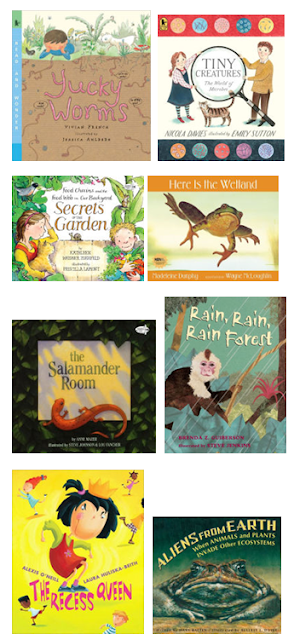
NGSS PE 5-LS2-1. Develop a model that describes the movement of matter among plants, animals, decomposers, and the environment. Try these book pairs: For more suggestions and full lessons, check out Perfect Pairs:
Teaching Science with Kidlit
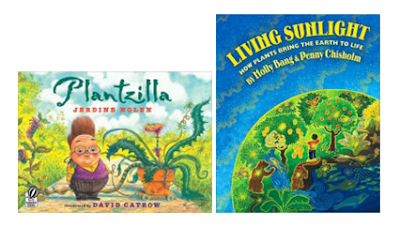
NGSS PE 5-PS3-1. Use models to describe that energy in animals’ food (used for body repair, growth, motion, and to maintain body warmth) was once energy from the sun. Try these book pairs: For more suggestions and full lessons, check out Perfect Pairs:
Teaching Science with Kidlit
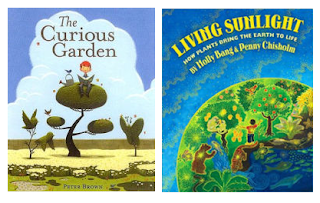
NGSS PE 5-LS1-1. Support an argument that plants get the materials they need for growth chiefly from air and water. Try this book pair: For more suggestions and full lessons, check out Perfect Pairs: