
In the Classroom: Voice in Expository Literature
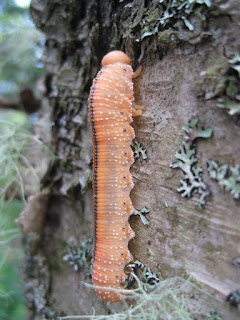
I’ve discussed voice in finely-crafted nonfiction mentor texts many times before on this blog. But today I’m suggesting an activity to give your students experience experimenting with voice in their own nonfiction writing. To get started, find an interesting or surprising photograph of an insect and project it on your classroom interactive whiteboard. Here are a […]
Helping Students Overcome Their Biggest Nonfiction Writing Challenges
Today SarahAlbee and I are leading a 90-minute session at the Massachusetts Reading Association conference. We will begin by asking the classroom teachers, librarians, reading specialists, and literacy coaches in the audience to share the most common nonfiction writing challenges their students face, and then we will suggest solutions. We will also invite audience members […]
TCRWP Handout: The Power of Voice in Nonfiction Writing
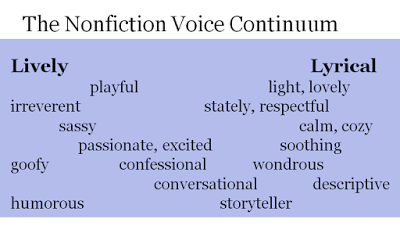
Nonfiction voice options span a continuum, from lively to lyrical. Your topic and the approach you take to it will dictate the best voice choice for a particular manuscript. What’s the difference between voice and tone? Check out this blog post. Some Characteristics of a Lively Nonfiction Voice Second person point of view Figurative […]
Book of the Week: When Rain Falls
Educators often ask me which of my books would work best in their classroom. So this year, I’ve decided to feature a book each week and highlight related teaching materials and strategies. It’s spring! Let’s celebrate by talking about When Rain Falls. This book is perfect for science lessons about weather, habitats, and animal adaptations. […]
Book of the Week: Under the Snow
Educators often ask me which of my books would work best in their classroom. So this year, I’ve decided to feature a book each week and highlight related teaching materials and strategies. Now that we are in the heart of winter, it seems like the perfect time to talk about Under the Snow. This book […]
Behind the Books: Writing Science/Nature-themed Picture Books
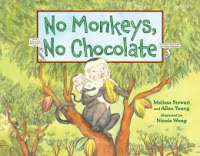
While there are certainly exceptions, most nonfiction picture books fall into two broad categories—picture book biographies and science/nature-themed picture books. As I discussed last week, almost all picture book biographies feature a chronological sequence text structure and a narrative writing style. That means that if you’re writing a picture book biography, most of your big-picture […]
Behind the Books: Voice vs. Tone
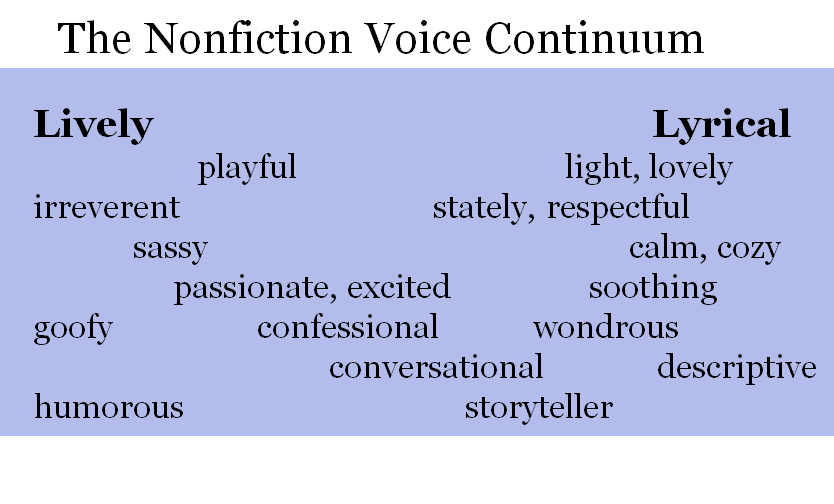
I don’t usually get many comments on my blog posts, but people do often Tweet and email me with related questions. Since writing a series of posts about voice in nonfiction writing last January, I’ve received a number of inquiries about the difference between tone and voice. So here’s the way I look at it. […]
Behind the Books: Nonfiction Voice
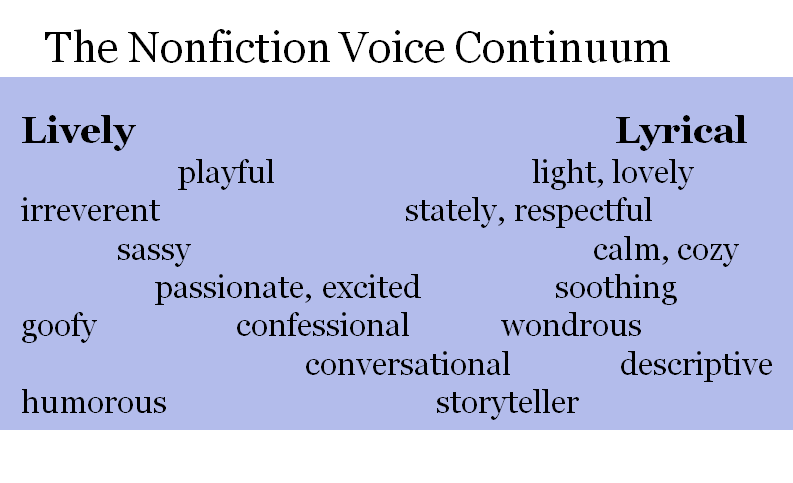
Since October, I’ve been thinking about ways to classify nonfiction. I’ve looked at nonfiction text types and styles—two new tools in my writer’s tool box. I’ve also taken a fresh look at structure. This week I’m going to describe some of my new thoughts about voice. In the past, nonfiction books for kids were straightforward, […]