
Recommended Books by Text Structure
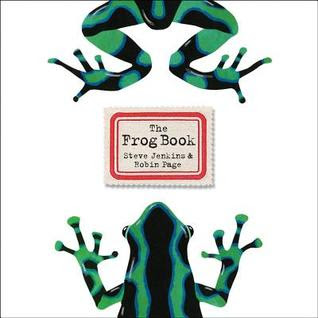
Back in October, I shared book lists with examples of two underappreciated text structures—list books and Q & A. To start off the new year, at the request of my friend Annette Whipple, I’m providing updated examples of expository nonfiction books with the five major text structures espoused by most state ELA standards—description, sequence, compare […]
Writing Expository Nonfiction that Sings, Part 8
Since the beginning of the school year, each Monday, I’ve been posting about the importance of understanding the key elements of finely-crafted expository nonfiction and helping students identify those features as they read and include them as they write. For the first few weeks, I focused on the pre-writing process. Then, I turned my attention […]
Question and Answer Text Structure
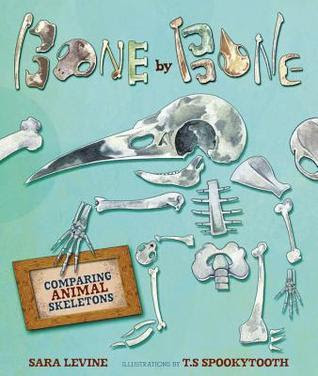
Since 2019 marks the 10th Anniversary of this blog, on Fridays this year, I’m resurrecting and updating old posts that sparked a lot of conversation or that I think still have a lot to offer people teaching or writing nonfiction. Today’s essay is an update of a post that originally appeared on June 1, 2016. […]
List Books as a Text Structure
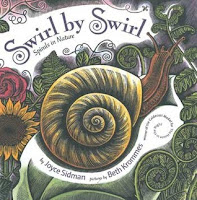
Most state ELA state standards currently emphasize five major nonfiction text structures— description, sequence, compare & contrast, problem-solutions, and cause and effect. But the truth is that’s just the tip of the iceberg when it comes to text structure. Some books include a one-of-a-kind text structure that perfectly reflects its concept and content. One of […]
Writing Sprints with Kids
Last summer, authors Linda Sue Park and Laurie Halse Anderson introduced me to the idea of writing sprints—timed writing sessions with short breaks in between. Some people say 25 minutes is the ideal length of a writing sprint, but Linda Sue prefers 12 minute blocks. In October, I decided to try this technique with […]
How Understanding Text Structures Has Helped My Writing
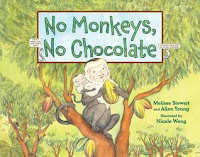
Recently, I wrote an article for Bookology about the writing process as a living story. And that got me thinking about this blog. I began posting, three days a week, in 2009. That’s 10 years ago! In many ways, it’s a living story too. It’s ongoing, and I have no plans to stop posting anytime […]
Behind the Books: Circle Text Structure
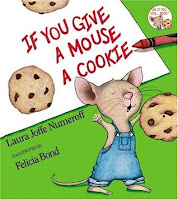
Most schools are currently teaching students that there are five nonfiction text structures—description, sequence, compare and contrast, cause and effect, problem and solution. But the truth is that these options are just the tip of the iceberg. There are many, many possibilities, and one of the biggest challenges a nonfiction writer faces is choosing the […]
nErDcampMI Handout: 5 Kinds of Nonfiction: Rethinking Your Book Collection
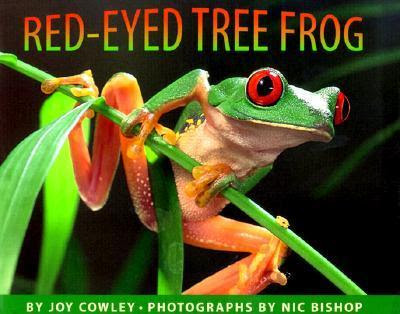
Most children’s literature enthusiasts are naturally drawn to stories and storytelling, including fiction and narrative nonfiction But up to 42 percent of elementary students prefer expository nonfiction. This session breaks down the five categories of nonfiction children’s books and provides tips for re-balancing school and classroom libraries and integrating expository nonfiction into lesson plans. Background […]
Narrative vs. Expository: Writing Nonfiction Picture Books
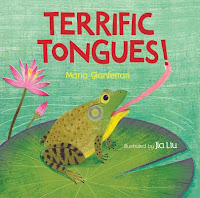
I’m excited to host award-winning author Maria Gianferrari today. Thanks, Maria, for describing your creative process. I love nonfiction, both reading it and writing it, so I’m delighted and honored to be guest posting today on Celebrate Science since it’s my favorite nonfiction blog. I have a deep love of the natural world and the […]
Behind the Books: If There’s No Hook, There’s No Book
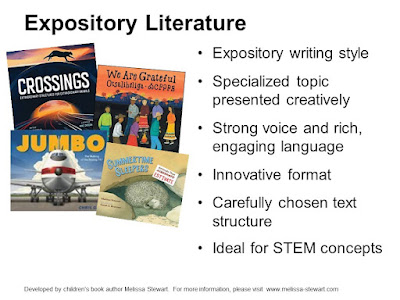
Back in January, I wrote this brief post about the importance of the hook in an expository nonfiction picture book. After reading that post, several people asked me to write about his topic in more detail. Your wish is my command. The hook is the spark that ignites the reader’s curiosity and inspires them to […]