
How Understanding Text Structures Helped My Writing
A quick search of this blog’s archive shows that one of the topics I’ve discussed most is text structures. Those posts date back all the way to 2009. Back then, I was just shooting in the dark. I knew structure was a critical element in nonfiction writing, especially when it has an expository writing style, but […]
Reading Rockets Interview

Not long ago, the folks at Reading Rockets interviewed me and edited our discussion into fourteen short videos that you can watch yourself or share with students. Topics include keeping a nature journal, research, text structure, nonfiction read alouds, the 5 Kinds of Nonfiction, and more. I hope you’ll take a look.
Thank You, Moon: Choosing a Text Structure
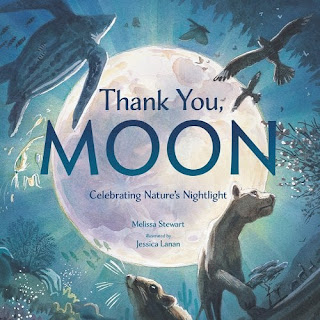
Last week, I described how I decided to look at the role of the Moon in animals’ lives through the lens of gratitude. That was an important first step in creating Thank You, Moon, but I still needed a text structure, and that’s often the biggest challenge for me. Nearly all narrative nonfiction has a sequence […]
A Second Grader’s Awesome Observation
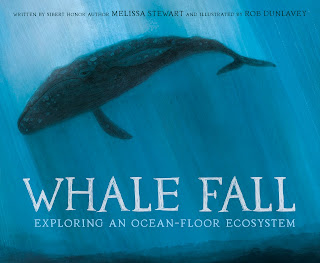
Last week, I received a wonderful letter from a second-grade teacher in Washington State. She was excited to tell me what happened when she shared Whale Fall: Exploring an Ocean-floor Ecosystem with her class. After reading it aloud, she asked students what they noticed about the book. And one response blew her away: “The creatures start […]
Whale Fall: Behind the Book
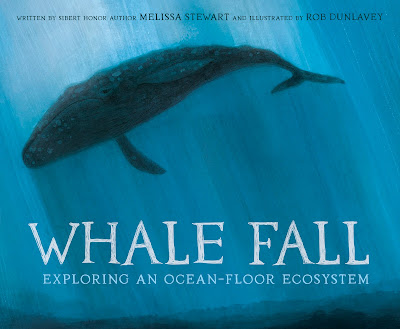
Today is the official release date for Whale Fall: Exploring an Ocean-floor Ecosystem, and I couldn’t be more excited. The story behind this book traces back to 2019. While writing Ick! Delightfully, Disgusting Animals Dinners, Dwellings, and Defenses, I stumbled upon an article about zombie worms, aka bone-eating snot flower worms. Of course, I included them in […]
A Deep Dive into Text Structures
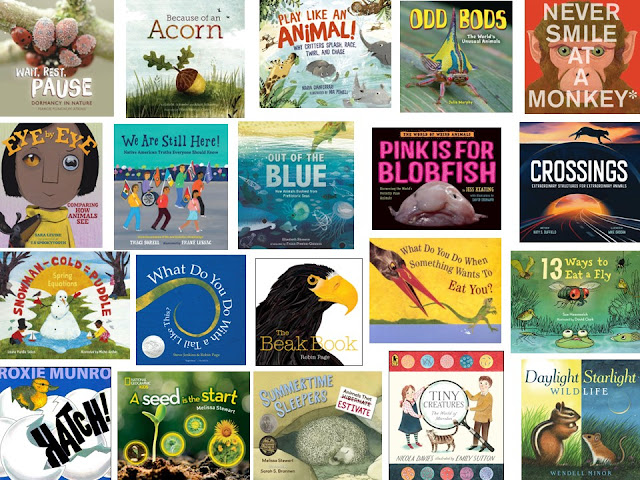
Back on December 22—just as teachers and librarians across the country were wrapping things up for 2022—School Library Journal published a series of three linked articles about nonfiction text structures. Even though it was the midst of the holiday rush, the articles received a good response because many school delve into their informational writing unit […]
Nonfiction Writing Mini-lessons
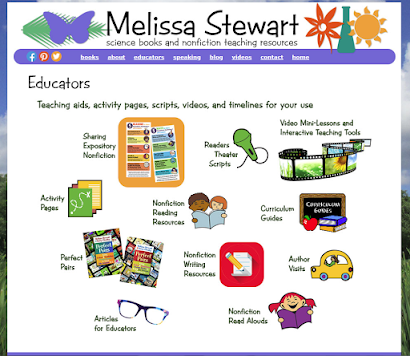
More and more, teachers are requesting educational resources that go beyond traditional teachers guides and activity sheets. So while I do still have those kinds of materials on my website, I’m also offering resources that delve deeply into the nonfiction reading and writing process from an author’s point of view. Some of these resources focus […]
Teaching Nonfiction Craft Moves
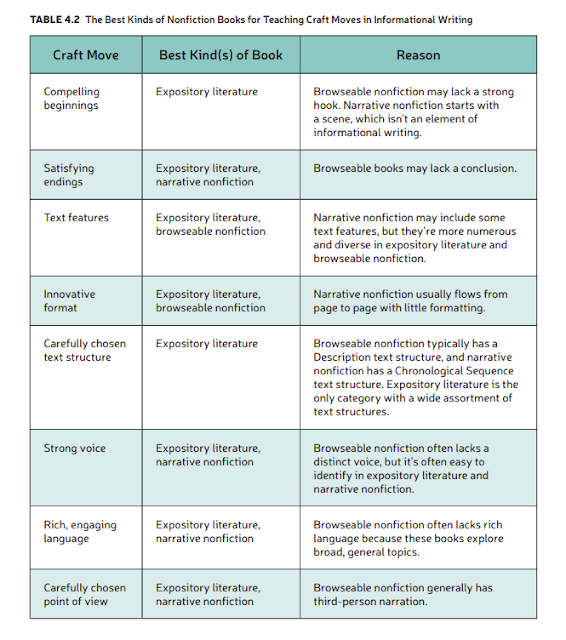
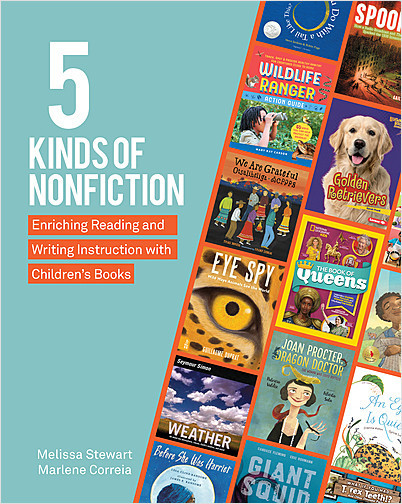
In most schools, students are plunging into their informational writing unit at this time of year, so I thought it might be helpful to share the table below, which appears on p. 54 of 5 Kinds of Nonfiction. While the book discusses each of these craft moves in detail—with half a chapter on text features and format, […]
Crafting Mega-fun Informational Writing: Text Structure
Most narrative nonfiction books have a chronological sequence text structure and most traditional nonfiction and browsable nonfiction titles have a description text structure, but expository literature has a broad range of text structures. That’s one of the reasons they make great mentor texts for informational writing. Mega-Predators of the Past is a blended nonfiction book […]
Info Writing Tip: Nonfiction Books by Text Structure
Nonfiction children’s books can be sorted into five majorcategories—active, browseable, traditional, expository literature, andnarrative. When students understand the characteristics of these categories, they can predict the kind of information they’re likely to find in a book and how that information will be presented. As a result, they can quickly and easily identify the best books […]