
Teaching Science with Kidlit
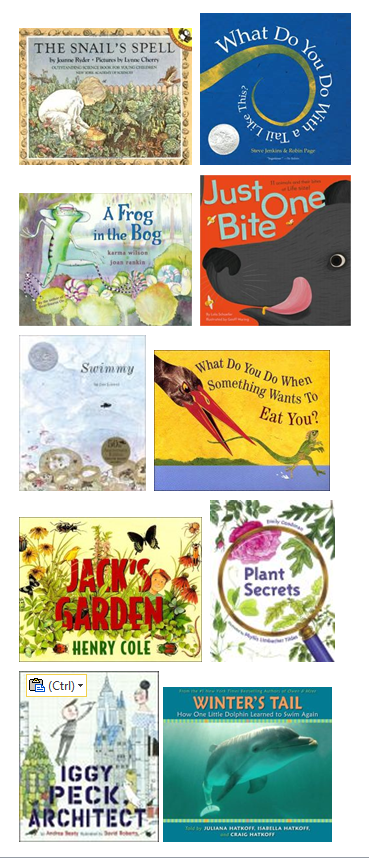
NGSS 1-LS1-1. Use materials to design a solution to a human problem by mimicking how plants and/or animals use their external parts to help them survive, grow, and meet their needs. Try these book pairs: For more suggestions and full lessons, check out Perfect Pairs:
Teaching Science with Kidlit
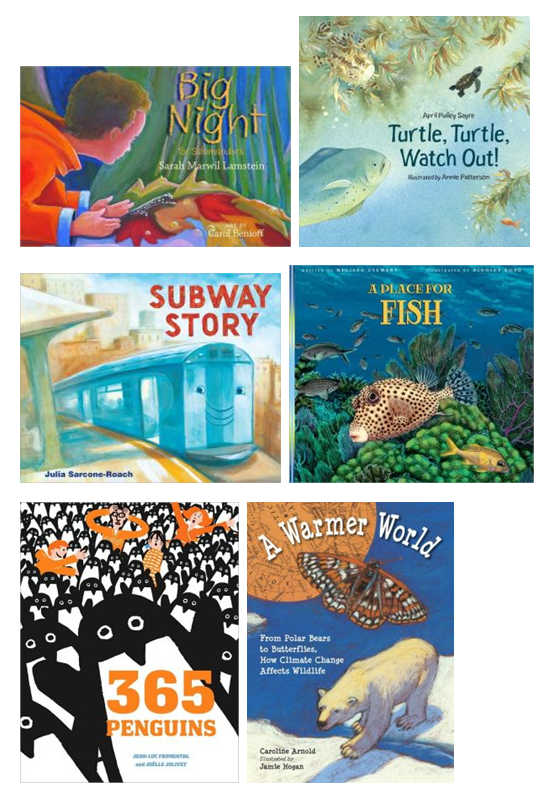
NGSS K-ESS3-3. Communicate solutions that will reduce the impact of humans on the land, water, air, and/or other living things in the local environment. Try these book pairs: For more suggestions and full lesson plans, check out Perfect Pairs:
Teaching Science with Kidlit
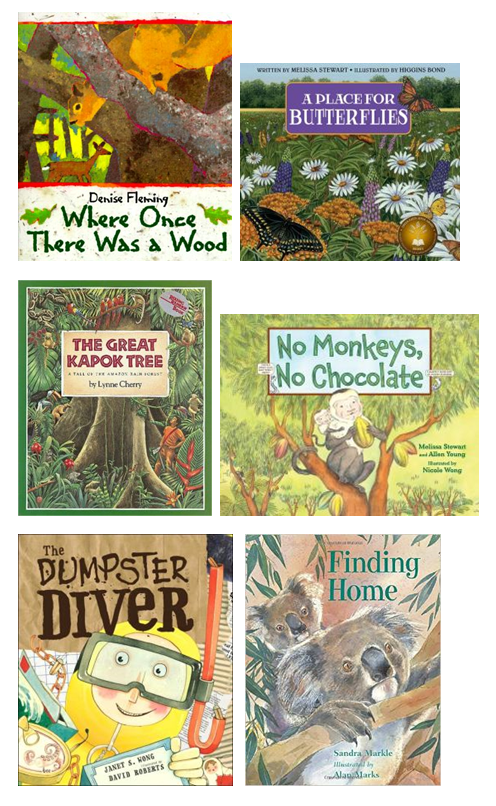
NGSS K-ESS3-3. Communicate solutions that will reduce the impact of humans on the land, water, air, and/or other living things in the local environment. Try these book pairs: For more suggestions and full lesson plans, check out Perfect Pairs:
Teaching Science with Kidlit
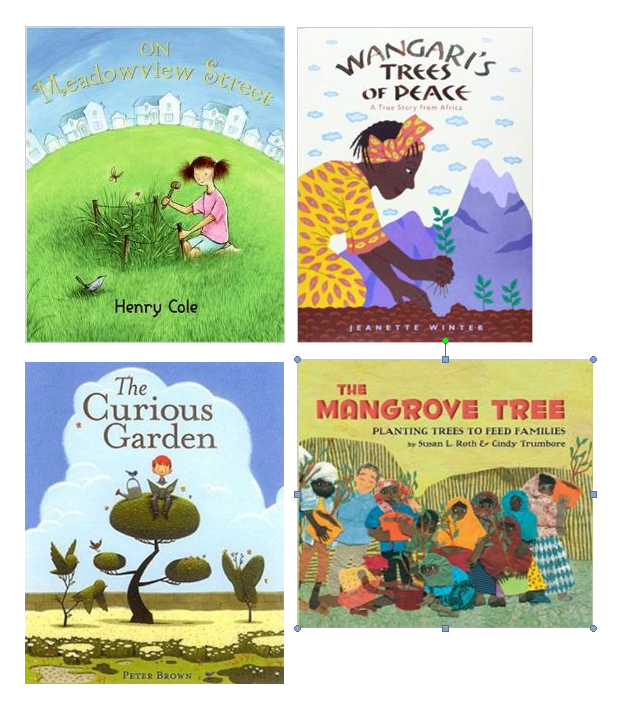
NGSS K-ESS2-2. Construct an argument supported by evidence for how plants and animals (including humans) can change the environment to meet their needs. Try these book pairs: For more suggestions and full lesson plans, check out Perfect Pairs:
Teaching Science with Kidlit
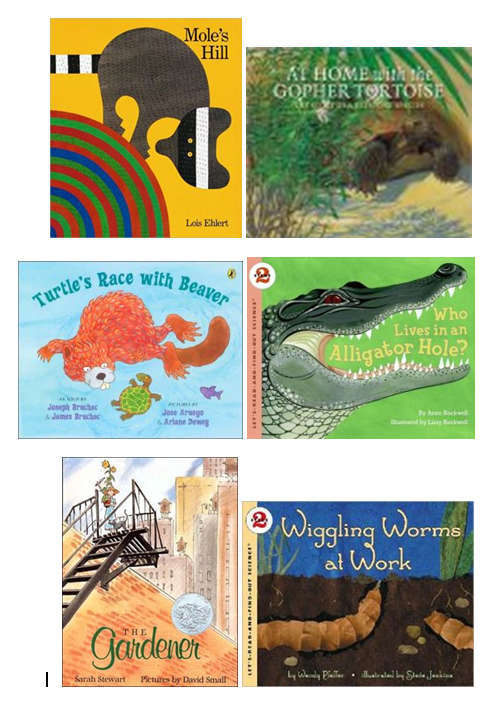
NGSS K-ESS2-2. Construct an argument supported by evidence for how plants and animals (including humans) can change the environment to meet their needs. Try using these book pairs: For more suggestions and full lesson plans, check out Perfect Pairs:
Teaching Science with Kidlit
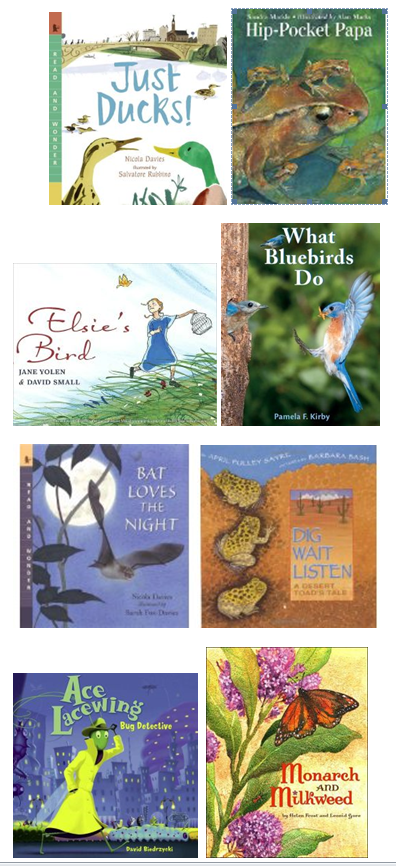
NGSS K-ESS3-1. Use a model to represent the relationship between the needs of different plants and animals (including humans) and the places they live. Try these book pairs: For more suggestions and full lesson plans, check out Perfect Pairs:
Teaching Science with Kidlit
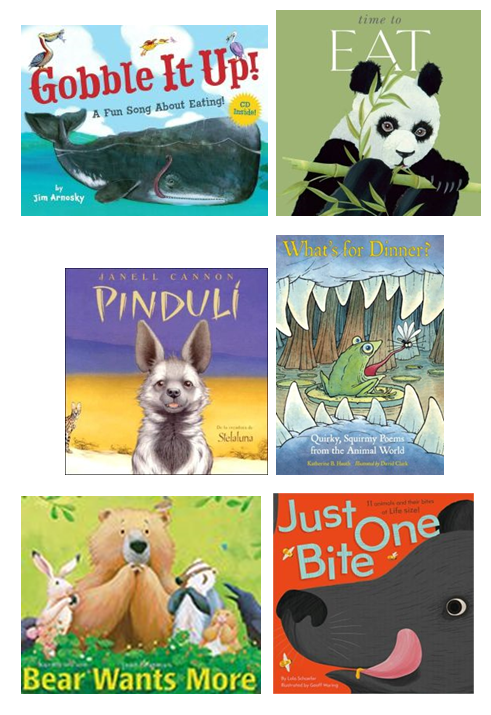
NGSS K-LS1-1. Use observations to describe patterns of what plants and animals (including humans) need to survive. Try these book pairs: For more suggestions and full lesson plans, check out Perfect Pairs:
Teaching Science with Kidlit
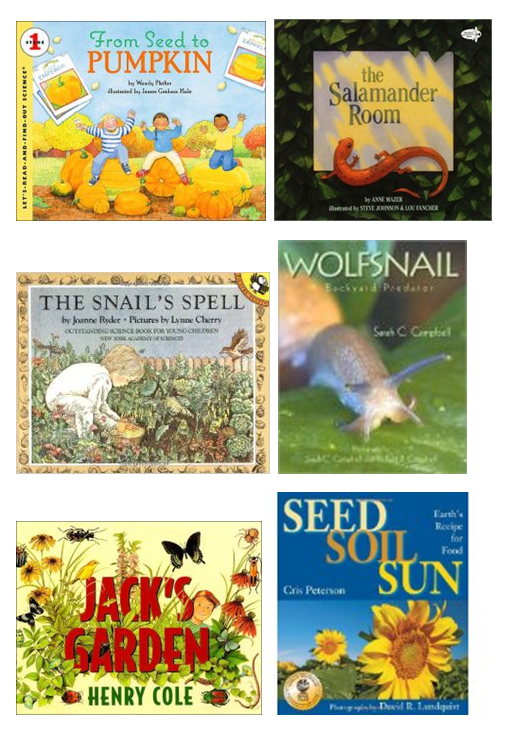
NGSS K-LS1-1. Use observations to describe patterns of what plants and animals (including humans) need to survive. Try these book pairs: For more suggestions and full lesson plans, check out Perfect Pairs:
Behind the Books: A Place for Butterflies
When A Place for Butterflies—my very first picture book—came out in 2006, I was over the moon. But I never could have imagined how well it would be received by award committees or how popular it would become with young readers. And over time, it spawned a series that includes six books. But as times […]
Teaching Science with Kidlit: NGSS Performance Expectation 2-LS4-1, Part 3

2-LS4-1. Make observations of plants and animals to compare the diversity of life in different habitats [Clarification Statement: Emphasis is on the diversity of living things in each of a variety of different habitats.] After comparing two very different biomes, you can focus on two different examples of the same biome, such as a swamp […]