
In the Classroom: Science-Lit Activity for Grade 1 Students
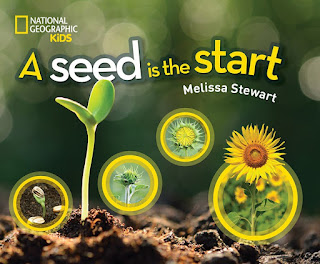
As you read A Seed Is the Start, use the information in the book to create a data table like this one. When you’ve finished reading the book, let your students know that sometimes seeds disperse to new places where people don’t want them to grow. For example, dandelions are weeds that grow in […]
In the Classroom: Science-Lit Activity for K Students
Before you read A Seed Is the Start, divide the class into pairs and give each group a lima bean that has been soaked overnight. Tell the children that if they cut the bean in half, they’ll discover a secret inside. Encourage students to turn and talk with a buddy about what they think […]
NF 10 x 10: Celebrating Seeds!
I created this post for the annual Nonfiction Picture Book 10 for 10 (#nf10for10) event started by Cathy Mere (@CathyMere) and Mandy Robek (@mandyrobeck) in 2013. In honor of my brand-spanking new book A Seed Is the Start, I’m featuring ten of my favorite seed-related nonfiction titles . . . As an Oak Tree Grows by G. Brian […]
Connecticut Reading Association Handout: Integrating Science and Language Arts
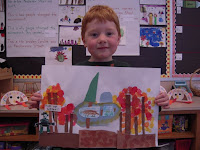
Discover how to teach science and language arts simultaneously by building engaging, inquiry-based K-5 science lessons around pairs of award-winning trade fiction and nonfiction picture books. Even if you are science shy, you can create lessons that will ignite your students’ natural curiosity and make them eager to learn about world around them. “Studies show […]
Behind the Books: So Long, Scientific Method
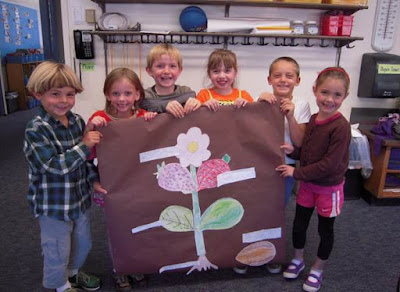
In 2012, the National Academies of Science, Engineering, and Medicine published A Framework for K-12 Science Education: Practices, Crosscutting Concepts, and Core Ideas, a landmark document written by a diverse committee of scientists and engineers. Its purpose was to provide recommendations for overhauling K-12 science education to reflect our current understanding of the natural world […]
Teaching Science with Kidlit
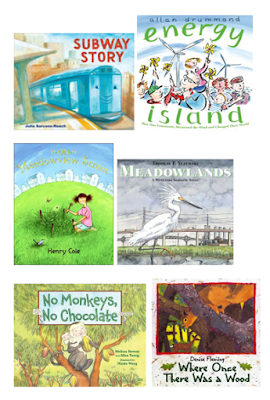
NGSS PE 5-ESS3-1. Obtain and combine information about ways individual communities use science ideas to protect Earth’s resources and environment. Try these book pairs: For more suggestions and full lessons, check out Perfect Pairs:
Teaching Science with Kidlit
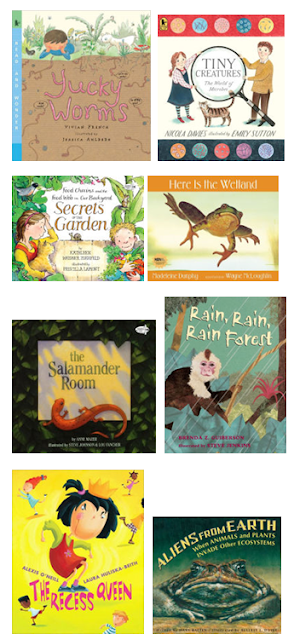
NGSS PE 5-LS2-1. Develop a model that describes the movement of matter among plants, animals, decomposers, and the environment. Try these book pairs: For more suggestions and full lessons, check out Perfect Pairs:
Teaching Science with Kidlit
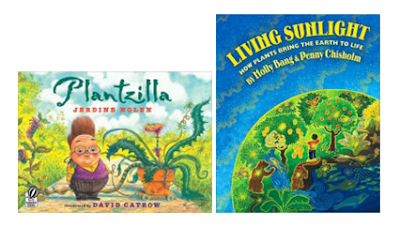
NGSS PE 5-PS3-1. Use models to describe that energy in animals’ food (used for body repair, growth, motion, and to maintain body warmth) was once energy from the sun. Try these book pairs: For more suggestions and full lessons, check out Perfect Pairs:
Teaching Science with Kidlit
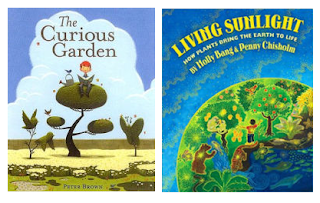
NGSS PE 5-LS1-1. Support an argument that plants get the materials they need for growth chiefly from air and water. Try this book pair: For more suggestions and full lessons, check out Perfect Pairs:
Teaching Science with Kidlit
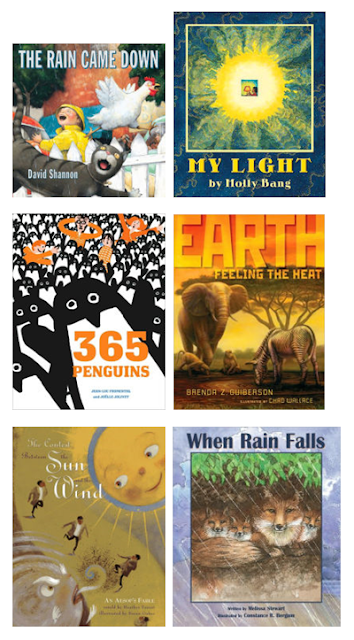
NGSS PE 4-ESS3-1. Obtain and combine information to describe that energy and fuels are derived from natural resources and their uses affect the environment. Try these book pairs: For more suggestions and full lessons, check out Perfect Pairs: