
Using Text Trios to Nurture STEM Curiosity
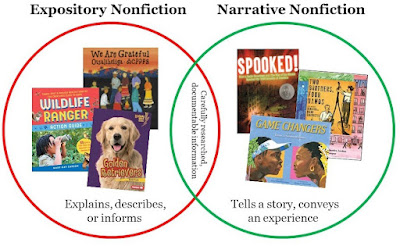
Recently, award-winning STEM author Jennifer Swanson let me know about an innovative idea that she’s working on—Text Trios. She’s pairing a book with a narrative writing style and a book with an expository writing style with episodes of her popular podcast Solve It for Kids. I was so excited about how these trios could appeal to […]
Rainforest Read Alouds + Combining Science with ELA
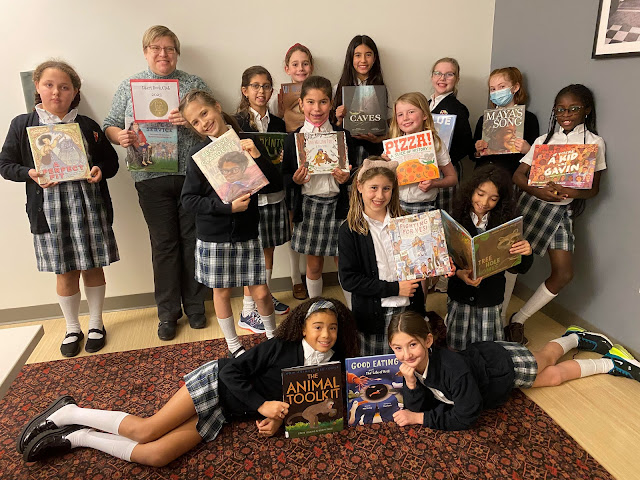
Many elementary classrooms do a unit about rain forests, and it’s a wonderful way to combine science and language arts. Here are five fantastic read alouds that look at the topic through a variety of lenses—fiction, nonfiction, and informational fiction; expository and narrative; biography and cumulative text. There’s something to engage every child. The Leaf […]
Classifying Science Books for Kids

Recently, I had a chance to read “The Durable, Dynamic Nature of Genre and Science: A Purpose-Driven Typology of Science Trade Books” by Professor Laura May and five of her Georgia State University colleagues. The article appeared in the September 2019 issue of Reading Research Quarterly, which is published by the International Literacy Association. I’ll […]
Speaking Up for Science and Social Studies!
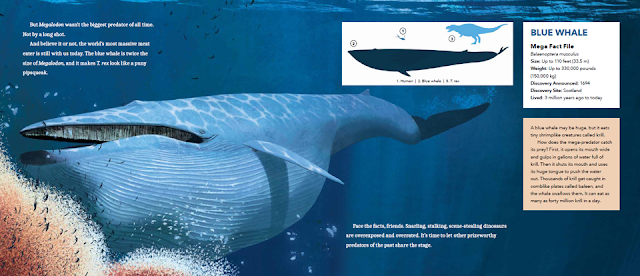
At one time, it was routine to integrate ELA lessons and content-area instruction. Then Congressed passed the No Child Left Behind Act of 2001, and everything changed. Suddenly, math and ELA instruction were prioritized, and students started taking standardized tests to track their progress. Because the school day is only so long, increasing the time […]
NSTA Handout: Cross Curricular Connections for Science Books
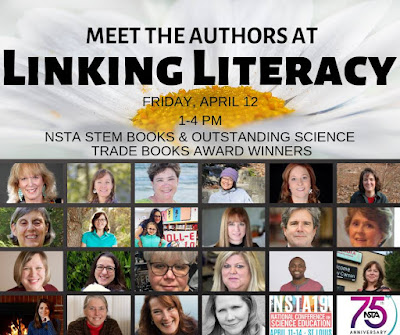
Everyone knows that books about how plants grow and how animals use their unique body features and behaviors to survive can enrich science lessons, but they can also be used lots of other ways. Today, I’m in St. Louis at the National Science Teachers Association’s annual conference, participating in an amazing event that was the […]
Expository Nonfiction: It Builds Content Knowledge!
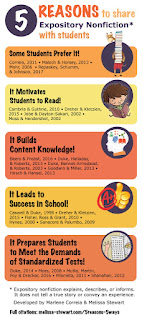
Today, I’m continuing the series of posts I’m writing with educator Marlene Correia. As you can see, the third item on the 5 Reasons to Share Expository Nonfiction with Students infographic focuses on using nonfiction books to build student knowledge about a broad range of topics from astronomy and geography to art history and recreational […]
10 Great Books for Young Engineers, Inventors, and Tinkerers
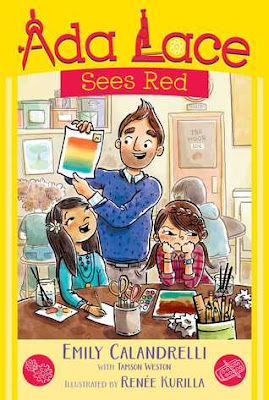
Ada Lace Sees Red by Emily Caladrelli The Boy Who Harnessed the Wind by William Kamkwamba, Bryan Mealer, and Elizabeth Zunon The Day-Glo Brothers: The True Story of Bob and Joe Switzer’s Bright Ideas and Brand-New Colors by Chris Barton and Tony Persiani Energy Island: How One Community Harnessed the Wind and Changed their World […]
In the Classroom: Science-Lit Activity for Grade 4 & 5 Students
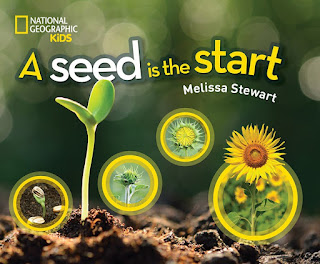
During a planning period, create a worksheet with a three-column data table that lists all the plants in A Seed is the Start (column 1) and how the seeds are dispersed (column 2). Lave column 3 (Plant Part that Helps) blank. When your class returns, read the book and use the information in it to create […]
In the Classroom: Science-Lit Activity for Grade 3 Students
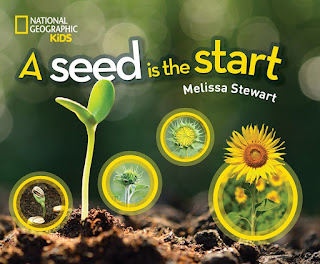
As you read A Seed Is the Start, use the information in the book to create a data table like this one. When you’ve finished reading the book, share a book that describes the life cycle of a butterfly, frog, or other animal. As you read, create a second data table that compares the […]
In the Classroom: Science-Lit Activity for Grade 2 Students
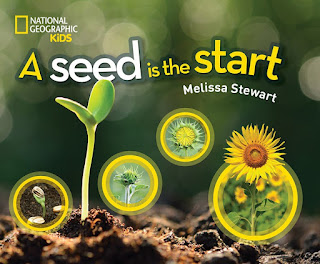
As you read A Seed Is the Start, use the information in the book to create a data table like this one. When you’ve finished reading the book, divide the class into four teams—A, B, C, and D. Let the students know that each group will brainstorm to come up with the design for […]