
Teaching Science with Kidlit: NGSS Performance Expectation K-ESS2-1
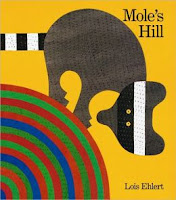
This week, I’m focusing on another kindergarten PE that is lumped under Earth & Space Science, though it really has significant overlap with life science concepts. K-ESS2-1. Construct an argument supported by evidence for how plants and animals (including humans) can change the environment to meet their needs. [Clarification Statement: Examples of plants and animals […]
Integrating Science and Language ArtsTeaching Science with Kidlit: NGSS Performance Expectation K-ESS3-1
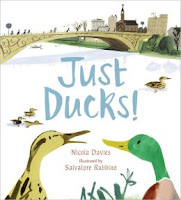
This week, I’m focusing on a kindergarten PE that is lumped under Earth & Space Science, though it really has significant overlap with life science concepts. K-ESS3-1. Use a model to represent the relationship between the needs of different plants or animals (including humans) and the places they live. [Clarification Statement: Examples of relationships could […]
Teaching Science with Kidlit: More NGSS Performance Expectation K-LS1-1
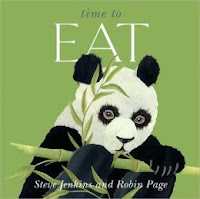
Expanding on last week’s post, here are some books and activities that focus specifically on one aspect of K-LS1-1—animals’ need for food. Gobble It Up! by Jim Arnosky Time to Eat by Steve Jenkins and Robin Page Carnivores by Aaron Reynolds Pinduli by Janell Cannon What’s for Dinner? Quirky, Squirmy Poems from the Animal World […]
Behind the Books: What the Heck Is Gamification?
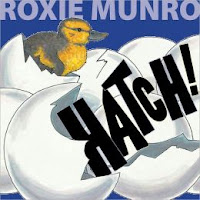
In June, I presented at a very special event—the first-ever conference dedicated to children’s nonfiction. Held on the SUNY New Paltz campus, the Twenty-first Century Nonfiction Conference offered unique opportunities for writers, artists, editors, designers, art directors, packagers to talk shop. It was truly inspiring. In a great workshop, author and app creator Roxie Munro […]
Teaching Science with Kidlit: NGSS Performance Expectation K-LS1-1
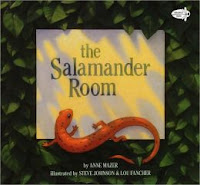
The Next Generation Science Standards have a complicated history. They trace back to the 2011 National Research Council report entitled A Framework for K-12 Science Education and went through multiple drafts that were commented upon by, well, pretty much anyone who had any interest in them. In the end, the drafters developed statements called “performance […]
Teaching Science with Kidlit: How I Spent My Summer Vacation

When I was in elementary school, we had to write a “How I Spent My Summer Vacation” essay at the beginning of each school year. And I hated it. Summer was my secret time away from the hustle and bustle of school year activities. I spent hours wandering in the woods, making clothes for my […]
Having Fun with Common Core: Last But Not Least
We finally made it to CCSS ELA Reading Informational Text #10. Hooray! The good news is that if you’ve spent the year working with your students on standards 1-9, they will have automatically achieved this final standard. Why? Because at every grade level, it focuses on reading a variety of age-appropriate nonfiction titles. Over the year, […]
Having Fun with Common Core: Integrating Ideas
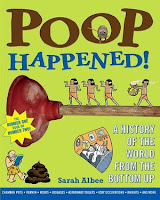
In May, I presented some book suggestions for CCSS ELA Reading Informational Text #9 grades K-3. At grades 4 and 5, the goals of standard #9 take a different approach by focusing on integrating ideas learned from two or more texts. Integration of Knowledge & Ideas Grade 4 Grade 5 Integrate information from two texts […]
Having Fun with Common Core: Comparing Texts
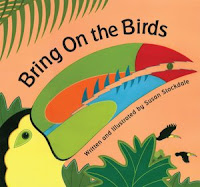
When I began this strand of my blog, I wasn’t sure if I’d have enough to say to fill a whole school year. Turns out, I do. In fact, I could probably start all over again and include more great books that have just come out or that I’ve just discovered. But before I get […]
Having Fun with Common Core: Supporting Points
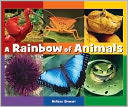
The main idea of CCSS ELA Reading Informational Text #8 is encouraging kids to notice how authors support their points. While it’s true that writers can state and support their points in a wide variety of ways, one popular strategy in nonfiction picture books is to state it directly on the first spread and then […]