
Behind the Books: Writing STEM Picture Books, Part 2
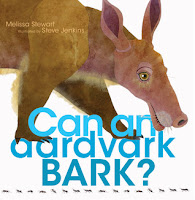
Last week, I began talking about the surprising amount of time it can take to write a STEM concept picture book. Staying the course requires patience and passion. For me, passionate nonfiction starts with a question. It also needs to have a personal connection. As I mentioned last week, Can an Aardvark Bark? was inspired […]
Behind the Books: Writing STEM Picture Books, Part 1
If you take a look at the revision timelines I created for my books No Monkeys, No Chocolate and Can an Aardvark Bark?, you can see that they took 10 years and 7 years, respectively, to create. Writing a picture book of any kind, fiction or nonfiction, takes time and effort. To succeed, writers have […]
The 5 Kinds of Nonfiction
Update June 24, 2024: My thinking about nonfiction classification has evolved since I wrote this post, but I’ve decided not to delete it because there’s value in looking back at my past ideas. For my current thinking, please see the book 5 Kinds of Nonfiction as well as information on my website. If you’re a longtime reader of […]
In the Classroom: How Infographics Can Help Students Avoid Plagiarism
My upcoming book, Pinocchio Rex and Other Tyrannosaurs, is chock full of text features. One of my favorites is an infographic that began when I drew this very, VERY rough sketch and sent it to my editor. Let’s face the facts. My drawing skills leave a lot to be desired, but this sketch was enough […]
Behind the Books: Language Devices in Expository Literature
From alliteration to zeugma, there are dozens of different kinds of language devices, and all of them can enrich expository writing. When used skillfully, alliteration, internal rhyme, opposition, and repetition infuse prose with combinations of sounds and syllables that are especially pleasing to the human ear. As a result, they can help to give a […]
Behind the Books: Vivid Verbs in Expository Literature
What’s the difference between an active verb, like walk, and a vivid verb like stomp or tiptoe? A vivid verb does double duty. If you read the sentence, “The girl walked across the room,” you know one thing—the girl moved from Point A to Point B. But if you read the sentence, “The girl stomped […]
Behind the Books: Comparisons in Expository Literature
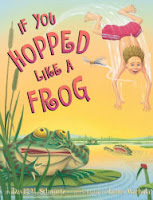
As nonfiction writers do research, they learn a lot of facts and ideas that their readers won’t know. How can a writer make that information accessible to his or her audience? By using similes, metaphors, and other kinds of comparisons to use what readers do know as a launching point. Many books do this effectively […]
Behind the Books: The Importance of Text Format in Expository Literature
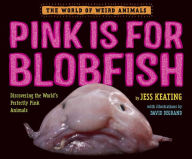
Many high-quality expository titles, especially science-themed picture books, make skillful use of layered text, which consists of a short, simple primary text that conveys main ideas and a more substantial secondary text that provides supporting details. As you read books like When the Wolves Returned: Restoring Nature’s Balance in Yellowstone by Dorothy Patent Hinshaw (Walker, […]
Behind the Books: What the Heck Is Expository Literature?
According to the Oxford English Dictionary, literature is “written works, especially those considered of superior or lasting artistic merit.” And so expository literature can be defined as writing that explains, informs, or describes and is of superior or lasting artistic merit. I wish I could take credit for this much-needed term, but it’s the brainchild of Terrell Young, […]
Behind the Books: Shopping for Text Structure

Let’s face it. Convincing young writers that their nonfiction writing can benefit from experimenting with different text structures isn’t easy. The last thing kids want to do is revise a piece of writing four or five times, each time using a different text structure. And who can blame them? I’m not crazy about it either. […]