
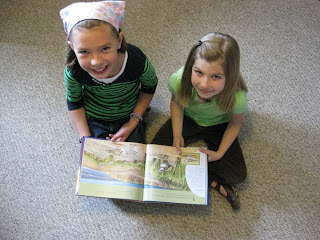
According to a recent study, nearly 86 percent of scientists who reported loving their jobs could trace their interest in science to someone they knew or an experience they had when they were 7 to 10 years old. This finding demonstrates the critical importance of solid science instruction for elementary students. And yet, standardized tests stress language arts and math over the content areas.
What’s the solution to this problem? Integrating science and language arts. Coupling inquiry-based science lessons and language arts instruction allows educators to prepare students for the critical reading and open response portions of standardized tests without neglecting science education. And here’s the good news: It’s much easier than you might think.
- Use science-themed picture books in Reading Buddies programs
- Adapt science-themed picture books into Readers Theater scripts that students will love practicing and performing
- Pair fiction and nonfiction books and follow up with a minds on activity. I’m so enthusiastic of the power of this this third idea that I joined forces with master teacher Nancy Chesley to create two books that can help you do this.
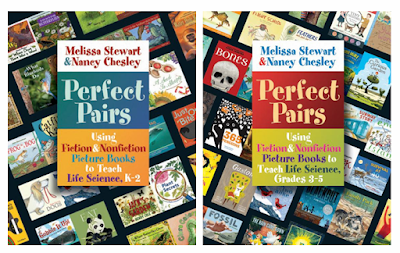
Updated to include covers for Perfect Pairs: Using Fiction and Nonfiction Picture Books to Teach Life Science.
4 Responses
GREAT stuff, Melissa. I'm so glad to see this. Do you have a link to the study of the scientists with the life-changing experiences ages 7 to 10? I'd love to see it… I'm taking off on a NASA-sponsored research cruise to the Arctic, and would appreciate support in explaining why it's so important for them to bring along a children's writer. Thank you!
You're going to the Arctic with NASA? Lucky duck!
Unfortunately, I don't have a link or even the exact citation. The information came from a survey AAAS conducted of it's members a few years ago.
I'd say what you tell the scientists is that you are an expert in communicating their exciting news of their discoveries to kids, and those kids need to be engaged and fascinated by science if we want to inspire them to become the scientists of tomorrow.
Hooray for integrating science and language arts, Melissa! I can trace my love for science directly to my elementary school science teacher, Mr. Beaver, who shared his enthusiasm through "science on a cart" as well as field study outside on school grounds.
(Still soooo jealous, Karen. Bon voyage!)
You've got it, Melissa! And Leslie — Mr. Beaver!!