 Narrative nonfiction tells a story or conveys an experience, and many kids love reading it. This writing style has the power to bringing people, situations, and settings to life for young readers. But as popular and successful as narrative nonfiction is, it’s only one type of children’s nonfiction.
We can’t forget about fact-tastic expository books because many kids love them. The grosser the better. The goofy-er the better. The weirder and wackier the better, better, better.
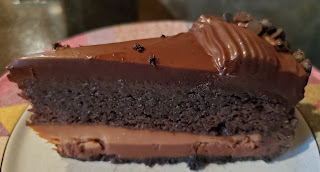
While many adults think reading expository text is like eating broccoli, for kids, these books are a big, delicious slide of chocolate cake.
When I hear people complain about expository nonfiction, they often say things like, “But are kids really going to retain all those amazing, unusual, and surprising facts?” And I have two responses.
- Actually, you’d be surprised what a child fascinated by a subject can remember.
- Remembering every fact isn’t the point. The real goal is to get kids reading.
For many kids, fact-filled exposition is what they want to read. They don’t much care about story lines. They care about increasing their knowledge of all the world has to offer.
And even if kids don’t remember each and every fact, they’ll remember the experience–the joy–of reading it. The world is an amazing, mystifying, fascinating place. It’s worth a closer look. It’s worth exploring. That’s an important message for kids—especially in a time when they are spending less and less time outdoors and less and less time unscheduled.
As far as I’m concerned, that’s the message underlying all my books. And it’s a message that I whole-heartedly believe is important enough to dedicate my life to.