
 For the last four weeks, I’ve shared evidence that nonfiction in general and expository nonfiction in
particular is more popular among elementary students than most of us might
think. Simply
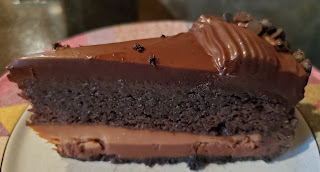
put, what the children’s literature community calls broccoli, many kids call
chocolate cake.
case studies of struggling readers for whom expository nonfiction was the
gateway to literacy.
Nonfiction in a Fictional World.” Language Arts, 2000, p. 485-495.
grade boy (Jeffrey) who initially described himself as a non-reader became
actively engaged in reading and writing when his preference for expository
nonfiction was validated. This student enjoyed reading for a purpose—to solve
problems or learn about things that interested him.
as a Catalyst for Literacy Development.” Language
Arts, 1998, p. 108-117.
struggling reader/writers (Peter and Isaac) who found an entry point to the
world of literacy through expository texts. The authors recommend increased use
of expository nonfiction in literacy education.
speaks directly to my heart:
“In Peter’s case, there was a clear desire to
gather and communicate information about topics of interest—reading was a key
to finding information and writing was a way to share it with others.”

One of the most common questions students ask me
during school visits is why I write nonfiction instead of fiction, and here’s
what I say:
characters and make up worlds. But for me, the real world is so amazing, so
interesting that I just want to learn as much as I can about it and share it
with other people. That’s why I write nonfiction.”
in the audience, lift an arm, extend their pinky and their thumb, and rock
their hand back and forth.
“Me too,” they are saying. “I agree.”
I have validated their experience in the world, and they are validating me right back. It’s a powerful moment.
Kletzien call “information readers” in their book Teaching Informational Text in K-3 Classrooms. For these children,
expository nonfiction truly is chocolate cake.
start serving up books that these students find delicious. I’ll be providing
ideas for how to do that next week.

6 Responses
Shining a light on this issue is so, so important. Thank you!
This series has been eye-opening for me, Melissa. Our entire children's literature community owes you a debt of gratitide. THANK YOU!
Thanks for helping to spread the word, Loree.
We owe it to young analytical thinkers to include books they love in classroom and library collections. Thanks for your support, Jillanne.
Thanks for highlighting this, Melissa. Another reason why choice is important for readers, especially at the younger ages.
I am so glad for this series. I have been working with struggling readers for many years and a wise teacher early on told me to go to nonfiction for unhappy readers. Part of how I started writing for capstone was seeing my student's faces light up when they looked at the titles in the catalog-wild cats! Paintball! Motorcycles! I am grateful that there are so many more options now than there were even 15 years ago.