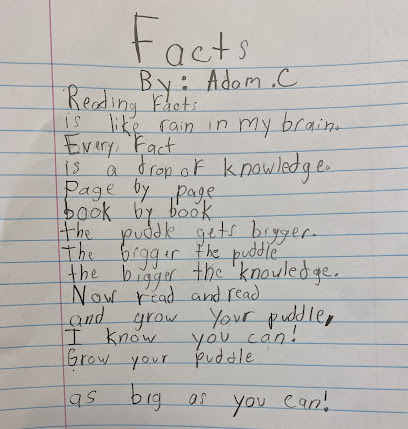
Last spring, I learned about this wonderful poem from Laura Purdie Salas, who spotted it on Amy Lugwig VanDerwater’s amazing blog The Poem Farm. I’m so grateful that Amy asked Adam to write about how the poem came to be:
“It was a pouring night. I read a nonfiction book. It had a lot of facts. In bed, I thought about it.”
I just love how the poem rose organically out of Adam’s mind as he went about his life. And it made me think about my own writing process as a living story. Even though I write expository nonfiction, there is a story, a personal narrative, behind every book I create.
I often share those stories in videos and interactive teaching tools on my website. A good example is the interactive timeline that accompanies Can an Aardvark Bark?
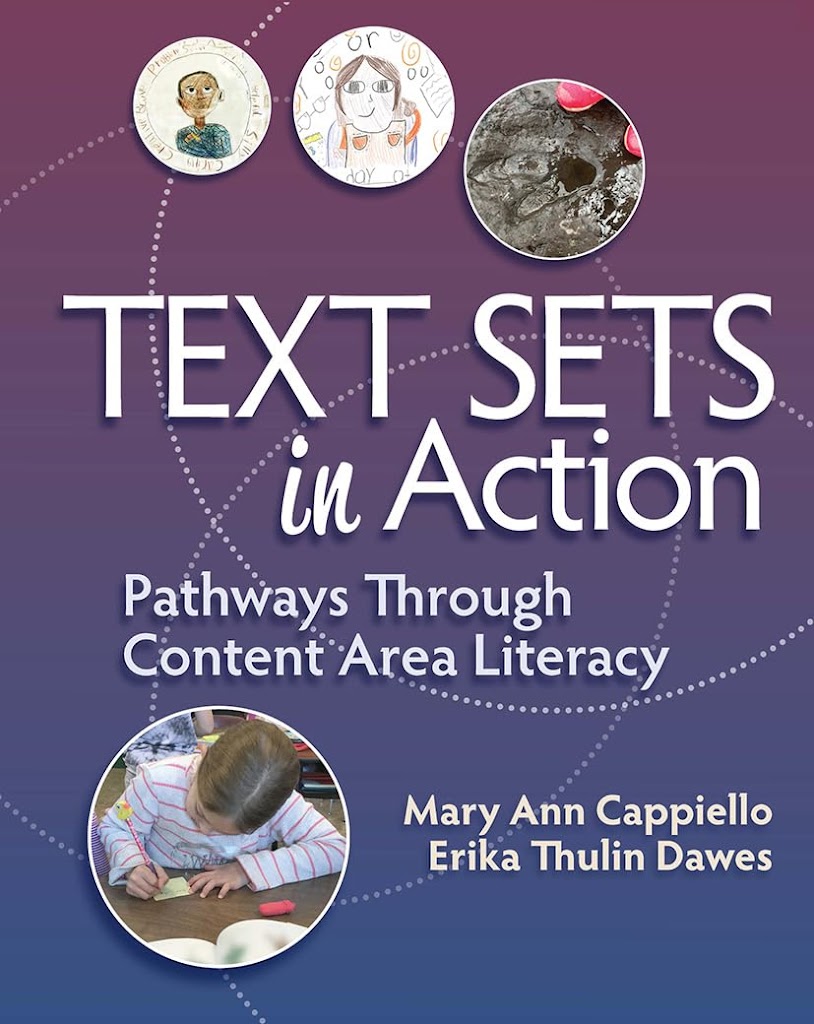
I create these resources so teachers and students can see and hear and understand a professional writer’s process. My goal is to pull back the curtain, so young writers will realize that that my experience as a writer is very similar to their own. In the stellar book Text Sets in Action, authors Mary Ann Cappiello and Erika Dawes call these “mentor processes.”
But students aren’t the only ones who profit from these resources. I do too. By thinking through and reliving my creative experience, I notice things that I consistently do wrong, allowing me to brainstorm ways to work smarter. I’m also able to ask other writers targeted questions about their process, and experiment with the techniques and strategies they suggest.
Young writers can also benefit from telling their stories of creation. Imagine students using tools like Flip or Padlet or storyboarding to document their nonfiction writing experiences using some of the following questions:
—What were the steps in my process?
—What challenges did I face?
—How did I overcome them?
—Who or what helped me?
—What might I try differently the next time?
This activity can help to solidify the steps of the nonfiction writing process in students’ minds. It also offers an engaging, authentic form of self-assessment as well as a starting point for dialogue with others.
Why not give it a try?